Types of Swim Goggles, Explained: Eyeline's Ten Categories
Ten swim goggle categories — competition, hybrid, training, fitness, mask, corrective, junior, kids — and the engineering brief that defines each. Written for brand managers picking where a new SKU sits. Each category gets the brief our toolmakers actually work from: frame size, gasket profile, lens curvature, strap system. The closing decision guide pins down where a new model should sit before any tooling money is spent.
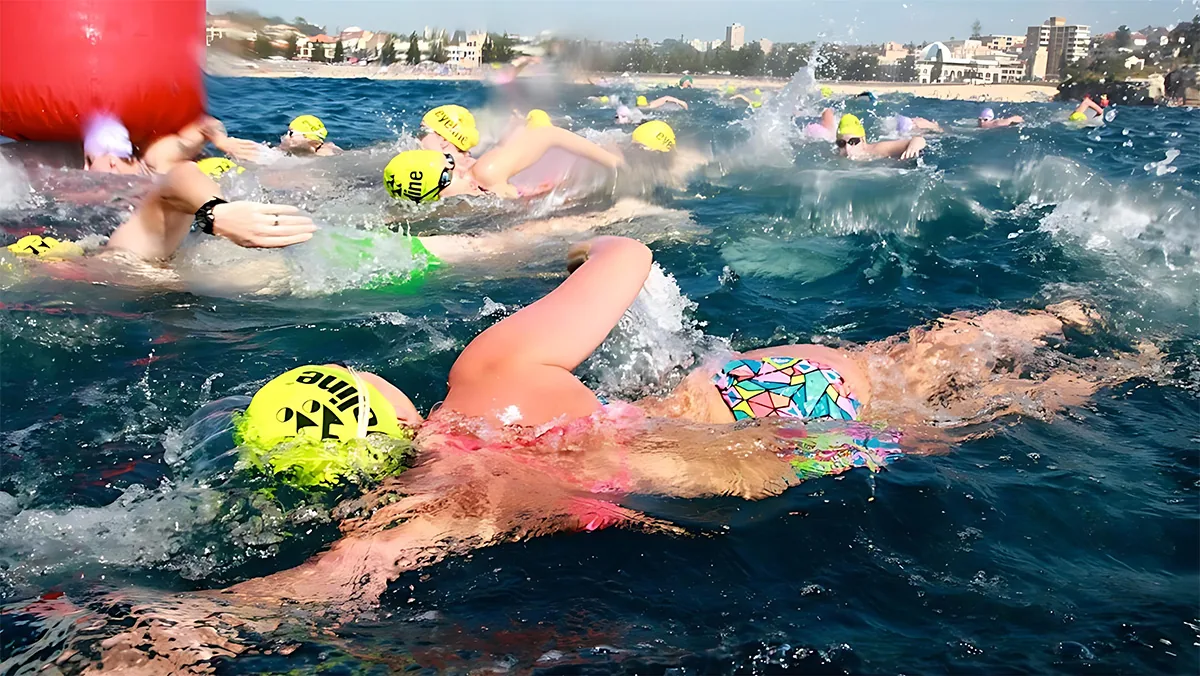
On paper, a swim goggle is a swim goggle. Two lenses, a gasket, a strap, a buckle. On the factory floor it isn’t. A racing swim goggle and a kids’ swim goggle share no mold, no material spec, no target swimmer. Brands that try to make one product serve every use case end up with a lineup that fits nobody.
We’ve been an OEM swim goggle manufacturer in Suzhou since 1963, and the current catalog runs to about 40 active models across ten categories. Each category is its own engineering brief: lens curvature, gasket geometry, headband system, price tier, target swimmer — all of it changes between them. This piece walks every category: what it’s for, who buys it, the design decisions that define it, and the Eyeline models inside.
It’s written for brand managers, procurement teams, and product developers trying to figure out where a new SKU should sit — and for retailers who want to understand what they’re stocking. If you’re sourcing a swim goggle and you can’t yet describe which of the ten categories you want, this is the right starting point.
Why category matters before everything else
Category is the first decision in any swim goggle program, and it’s the most expensive one to get wrong. Category sets:
- Frame size and lens curvature — racing swim goggles are compact and low-profile; fitness swim goggles run larger with a softer fit
- Gasket profile — narrow L-profile for speed, stability, and drag reduction; wider C-profile for long-session comfort
- Headband system — single quick-adjust for training and fitness; dual racing straps for competition; concealed pass-through for kids
- Anti-fog tier and lens treatments — standard FSI anti-fog for entry tier; our proprietary nano anti-fog for premium; mirror coatings and corrective inserts at the specialty end
- Mold investment — a typical adult swim goggle mold set costs into the high five figures; a competition swim goggle with multiple interchangeable nosepieces costs more
- Compliance scope — kids’ swim goggles trigger different testing than adult performance models
A swim goggle program that swaps categories mid-development — “let’s make this racing swim goggle but also good for kids” — restarts most of the engineering. Picking the right category up front is the cheapest decision a brand will make all year.
The ten categories at a glance
| Category | Frame | Gasket | Headband | Target swimmer |
|---|---|---|---|---|
| Fitness Large | Large | C-profile, wide | Quick-adjust | Recreational adult, comfort over speed |
| Fitness Medium | Medium | C-profile | Quick-adjust, concealed | Recreational adult, smaller faces |
| Training Medium | Medium | C-profile (mostly) | Quick-adjust | Intermediate, regular lap swimmer |
| Training Small | Compact | C-profile | Quick-adjust | Intermediate, sleek fit preference |
| Hybrid | Low-profile | L-profile | Dual or quick-adjust | Intermediate to expert, multi-discipline |
| Competition | Ultra-low-profile | L-profile, narrow | Racing dual straps | Expert, racing pool and open water |
| Mask | One-piece panoramic | Ultra-wide C-profile | Rotational, wide strap | Recreational, panoramic vision |
| Corrective Lens | Standard fitness | C-profile | Quick-adjust | Vision-corrected adult |
| Junior (6–13 yrs) | Scaled compact | C-profile | Quick-adjust, concealed | Older children |
| Kids (2–8 yrs) | Smallest | C-profile, soft | Pass-through, concealed | Toddlers and young children |
Each category gets a full breakdown below.
Fitness swim goggles — Large and Medium
Who it’s for: the recreational adult swimmer who wants a comfortable swim goggle for regular pool sessions, not racing performance. This is the largest single segment of the swim goggle market by unit volume, and the category where most brands either lead or lose.
Fitness swim goggles are built around comfort, not speed. The frame is larger and more forgiving, the gasket is a C-profile — wider contact area, softer pressure distribution — and the headband is a single quick-adjust strap that an adult swimmer can tighten or loosen with one hand mid-session. Anti-Fog is standard. Mirror Coating is optional and frequently specified for outdoor pool and lifestyle positioning.
The Large sub-tier is the universal-fit option: bigger lens, wider gasket, accommodates the widest range of face shapes. Flux is the entry-level workhorse here — sold to more OEM customers than any other model in our catalog. Surge is the same large footprint with a premium feature set (three nosepiece sizes, secondary color element). Neptune adds an ultra-wide gasket with eye-pressure rings reduction for swimmers who wear swim goggles for an hour or more. Zevo is our 2026 flagship in this tier — low-profile silhouette with Ultra-Wide-Vision, designed for buyers who want fitness comfort with a more technical aesthetic.
The Medium sub-tier covers smaller adult faces and customers who prefer a less dominant swim goggle silhouette. Infini and Captain sit here — one-piece construction, the same C-profile gasket scaled down.
If you’re sourcing your first adult swim goggle and don’t yet know your customer, start in Fitness Large. It’s the highest-volume category, the easiest to fit across a broad demographic, and the fastest path to a sellable product.
Training swim goggles — Medium and Small
Who it’s for: the swimmer who’s doing real laps — 2,000 to 10,000 meters a session, two to five times a week. They want comfort, but they’re tracking pace, and they care that the swim goggle doesn’t slow them down or fog up halfway through a set.
Training swim goggles are where our design language tightens up. The frame shrinks, the lens hugs closer to the face, and the gasket — still C-profile in most models — runs slightly narrower than its fitness counterpart. Low Drag Coefficient Design appears as a feature here for the first time: a deliberately hydrodynamic frame geometry that reduces resistance through the water without crossing into racing-goggle territory.
In the Medium sub-tier, Aqua is the standard training swim goggle — three nosepiece sizes, available in a softer silicone-gasket variant (Aqua Silicon) for buyers prioritizing comfort. Aquarius runs the same chassis with a larger lens for swimmers who want enhanced visibility, and Flo delivers the same package with a rounded, hydrodynamic lens and sportier aesthetic. Trix sits in this tier with an L-profile gasket and open-water emphasis. Glide is our 2026 launch — three nosepiece sizes, eye-pressure rings reduction, ultra-wide gasket.
The Small sub-tier is for swimmers who want a more compact, performance-oriented training silhouette. Storm and Vortex are clean, sport-driven entry options. Torrent is the premium of the small frame range — double-molded TPE, concealed headband connection, the most comfortable compact training swim goggle in the lineup. Beams is the 2026 mid-tier addition with advanced drag-reduction geometry.
If your customer is a dedicated lap swimmer who’s not yet racing, Training Medium is the default. If they want a sleeker, more athletic look, Training Small.
Hybrid swim goggles — for swimmers crossing between training and racing
Who it’s for: the intermediate-to-expert swimmer who’s not exclusively a racer but who pushes hard enough that pure training swim goggles feel underbuilt. Triathletes, masters competitors, open-water swimmers, age-groupers training year-round and racing seasonally.
Hybrid is the bridge category, and it’s defined by one critical engineering choice: the L-profile gasket. An L-profile sits closer to the face than a C-profile, reducing the swim goggle’s frontal area, dropping drag, and holding the goggle more stable against the face through turns — but it’s wider and softer than a pure racing gasket, so it stays comfortable for sessions measured in hours, not minutes.
Hybrid swim goggles get the same low-profile frame geometry as competition models but pair it with three-nosepiece sizing and either a quick-adjust or dual headband. The result is a swim goggle that races well in a triathlon, trains well in a 4,000-meter set, and survives an open-water swim without flooding on the first turn.
Blade is the flagship — World Aquatics-certified for sanctioned competition, with the tightest racing-tuned silhouette in the hybrid range. Slash is the larger hybrid, with a bolder visual treatment. Venom sits between them with a more fluid silhouette.
If you’re building a triathlon or open-water line, Hybrid is almost always the right choice: competition swim goggles are too aggressive for long courses, training swim goggles give up too much hydrodynamics.
Competition swim goggles — built for racing, and nothing else
Who it’s for: the racer. Pool, open water, championship-level events. This category exists at the extreme end of the design spectrum: every gram of drag matters, every degree of peripheral vision is engineered, and nosepieces are offered in multiple sizes because podium athletes don’t compromise on fit.
Competition swim goggles run an L-profile gasket in its narrowest, lowest-profile form. The frame is ultra-low-profile: the swim goggle sits flush to the face, presenting the smallest possible cross-section to oncoming water. Headbands are racing-style dual straps, with a headband extension arm for tuning fit between heats. Lens treatments scale with positioning here: a scratch-resistant hard coat is the recommended pairing for the lens surface, and our proprietary Nano Anti-Fog is the recommended Anti-Fog upgrade over the FSI standard tier.
These swim goggles are not comfortable for casual use. They’re not supposed to be. They’re built to do one job: hold a seal at high velocity, deliver clear vision off the start, and disappear from the swimmer’s awareness for the duration of the race.
Jetstream is the all-rounder — pool and open water, three nosepiece sizes. Invicta is the modern evolution of the traditional Swedish racing swim goggle: ultra-compact, ultra-low-profile, POK nose bridge for chemical resistance against chlorine.
If you’re sourcing for a club, federation, team, or specialist racing brand, Competition is the only category that works — buyers in this segment can tell within ten strokes whether a swim goggle was built for racing or repurposed from a fitness tooling.
Mask swim goggles — panoramic vision, one-piece lens
Who it’s for: the casual or fitness swimmer who wants the visibility and comfort of a snorkel mask but in a compact, drag-aware swim goggle form. Mask is a fast-growing segment globally, driven in part by buyers crossing over from snorkeling and in part by demand for a more comfortable, panoramic alternative to traditional twin-lens swim goggles.
A mask swim goggle is built around a single panoramic lens — no nose bridge between the eyes, no division in the field of view — with an ultra-wide C-profile gasket that wraps the entire eye socket. Headbands are wider and attach via a rotational connection, distributing pressure across a larger area of the head.
The engineering challenge with masks is the gasket. The contact area is much larger than a standard swim goggle, and the geometry has to seal across the bridge of the nose and the temples at the same time. Our gasket TPE is soft enough to conform comfortably across that full contact zone, holding a clean seal without localized pressure points.
Panora is our mask offering — sporty, wide-angle, designed with the visual minimalism of sunglasses rather than the bulk of a snorkel mask. It’s currently allocated under exclusive arrangement in the international market and isn’t available for new OEM programs in that geography, but the category itself is one to watch: mask is where the next decade of consumer growth will likely come from.
Corrective lens swim goggles — for swimmers who need vision correction
Who it’s for: swimmers with myopia, hyperopia, or astigmatism who need optical correction in the pool. A surprisingly large segment — roughly one in three adults in many markets — and one most OEM lineups underserve.
The defining feature is interchangeable lens architecture. The frame, gasket, and headband are standard fitness-grade; the lenses are interchangeable inserts available in graduated diopter strengths. The same frame can be configured for a –1.5 swimmer on the left and a –3.0 on the right, or reconfigured as the swimmer’s prescription changes.
Aquity is the flagship — interchangeable lens system, concealed headband connection, three nosepiece sizes. Oracle is the cleaner, more minimalist sport variant with an eye-pressure-rings-reduction gasket and removable side clips.
Corrective is a category most OEMs skip because the SKU complexity is high — multiple diopter strengths per model, optical-grade lens manufacturing, distinct retail packaging. Buyers should also confirm the regulatory status of corrective swim goggles in each target market before committing to tooling: some jurisdictions treat any prescription optical product as a medical device, with separate registration, labeling, and testing requirements distinct from standard swim goggle compliance. Build that scoping into the project timeline early.
Junior swim goggles — 6 to 13 years
Who it’s for: older children — schoolkids, competitive age-groupers, swim-team members. Old enough to take swimming seriously, young enough that adult sizing won’t fit and adult aesthetics won’t sell.
Junior swim goggles run a scaled-down C-profile gasket sized to the smaller adolescent face. Aesthetic decisions are weighted differently here — bolder colors, more playful product names, sometimes themed branding that wouldn’t translate to an adult line.
Captain Junior is the hero-themed entry. Storm Junior, Vortex Junior, and Torrent Junior mirror their adult-line counterparts.
The right way to think about Junior is as a bridge product: it teaches young swimmers what a properly-fitted swim goggle feels like, so when they move into adult sizing, they buy on fit rather than on marketing.
Kids’ swim goggles — 2 to 8 years
Who it’s for: toddlers and young children. Beach, pool, swim school. The swim goggle exists as much for parents as for kids — comfort, durability, ease of getting on and off small heads, eye protection in chlorinated water.
Kids’ swim goggles run our one-piece construction, and pass-through or concealed headband systems that don’t pinch hair or come loose in the water. Customizable print options on the frame and headband are common — brands use this category for licensed character collaborations and seasonal colorways.
Eve, Nano, Maomi (the cat-themed kids’ swim goggle), and Pico are the core lineup. All four use a C-profile gasket sized for young faces, and all four are designed for play first and performance second — these are not training swim goggles in miniature, they’re swim goggles built around what a 4-year-old will actually wear without complaining.
How to choose: a short decision guide
A buyer-side decision tree that gets most programs to the right category in five questions:
- Who is the target customer and what’s the swimmer doing? Racing → Competition. Triathlon or open water → Hybrid. Regular training → Training Medium or Small. Casual swimming → Fitness.
- How old is the swimmer? Under 8 → Kids. 6–13 → Junior.
- Do they need vision correction? Yes → Corrective Lens (overlay on top of the use-case answer above).
- Is panoramic vision the headline feature? Most of our categories already include Wide-Vision lens geometry — if the widest possible field of view has to be the lead positioning point, that’s → Mask.
- Sub-tier and performance: Larger face or comfort-first → Fitness Large or Training Medium. Smaller face or sleeker look → Fitness Medium or Training Small. Lower drag, lower profile, tighter racing-tuned fit → step up the category (Training → Hybrid → Competition).
Most B2B sourcing decisions also depend on MOQ, mold investment, and lead time, which we cover in our piece on how swim goggles are made. For technology choices that cut across categories — anti-fog tier, mirror coating, gasket material — see our Technology page.
The short version
A swim goggle is never just a swim goggle. It’s a category-specific engineering choice that decides who it fits, what it costs, how it performs, and which market it sells into. We make all ten categories out of Suzhou. The right one for a new program depends almost entirely on the swimmer at the other end — so if you can answer the five questions above, you can name your category. Once you’ve named it, the rest of the sourcing conversation gets cheaper fast.
Related
Manufacturing
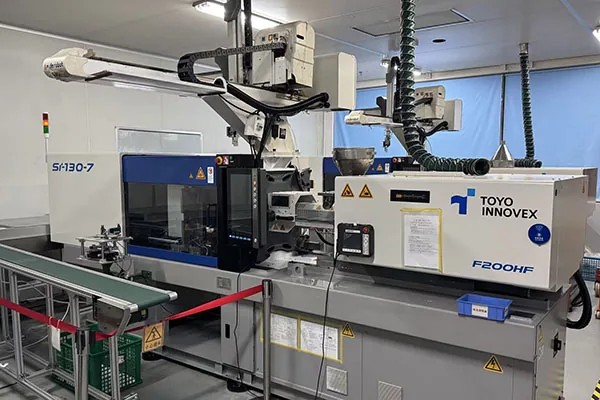
How Swimming Goggles Are Made
A walkthrough of how a high performance swim goggle is made
Learn More
Buyer Guides
OEM vs ODM vs Private Label
OEM, ODM, and Private Label swim goggle programs cost differently, take different lead times,…
Learn More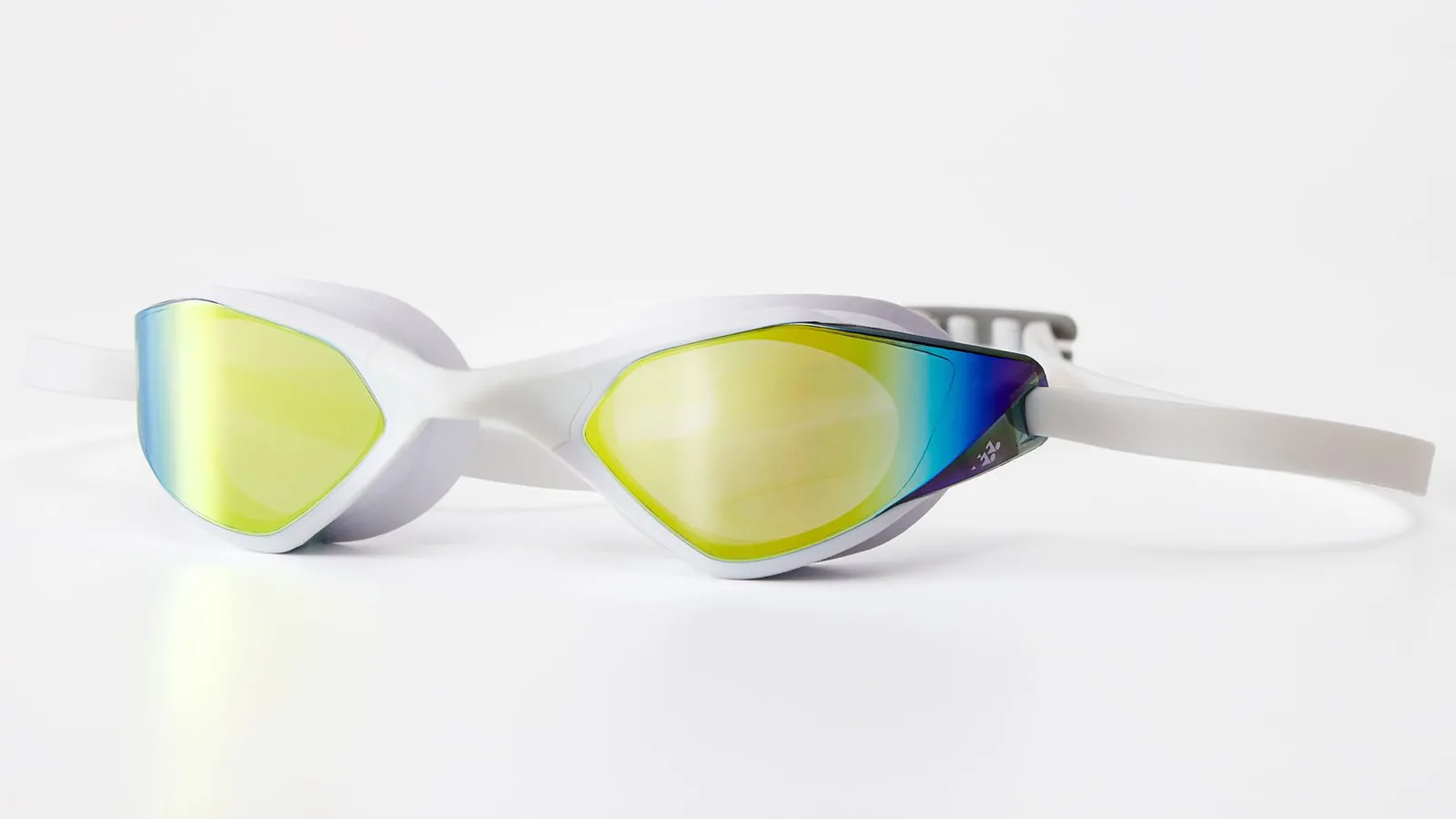
Buyer Guides
Factory Audit Checklist
A seven-question audit checklist for sourcing a swim goggle manufacturer
Learn More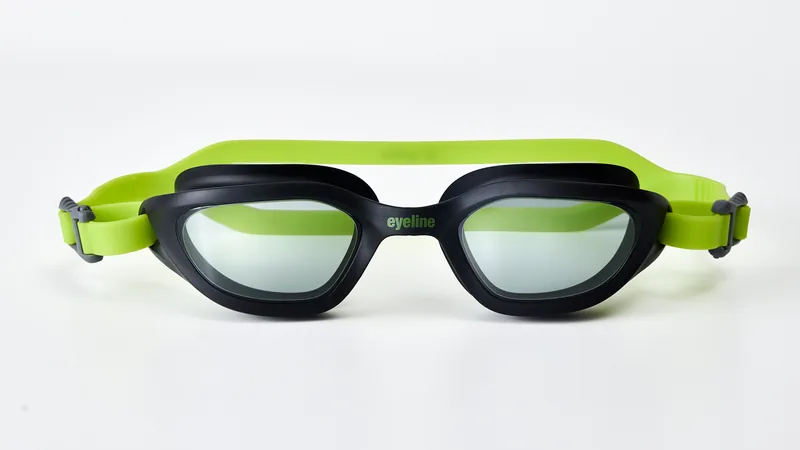
Product
Flux
Fitness Large
Learn More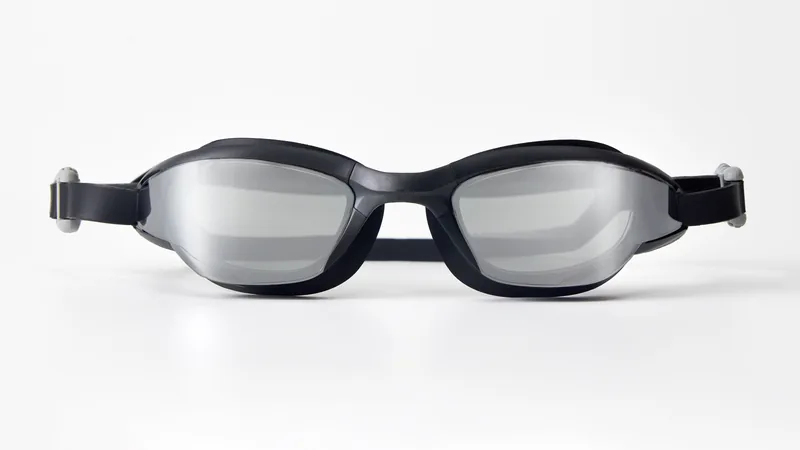
Product
Surge
Fitness Large
Learn More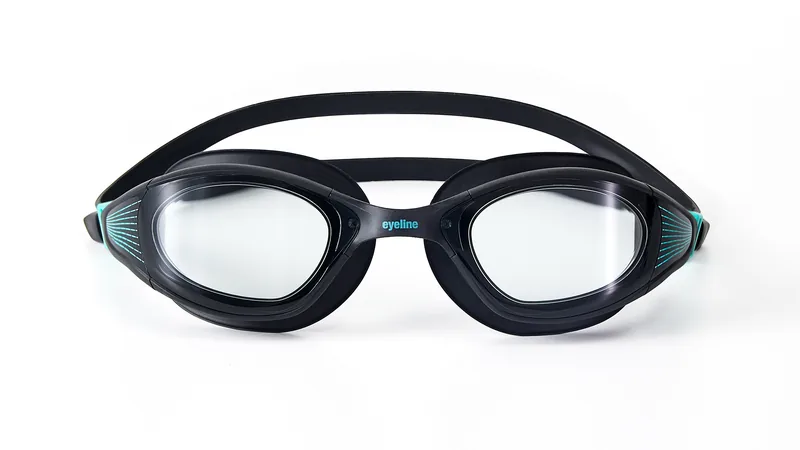
Product
Neptune
Fitness Large
Learn More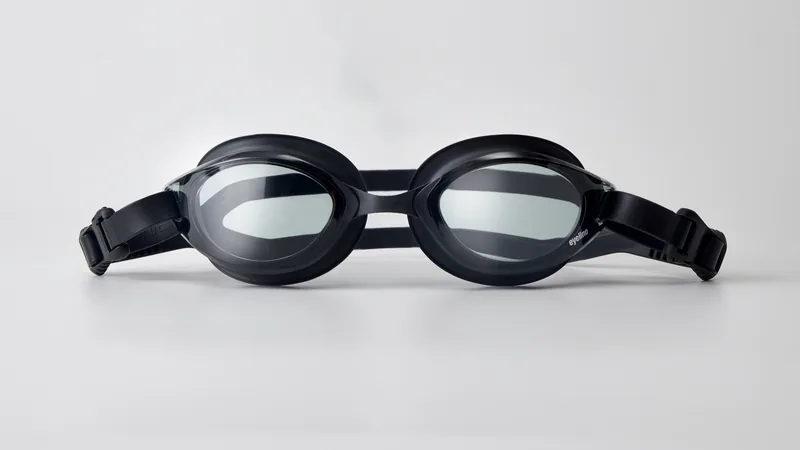
Product
Zevo
Fitness Large
Learn More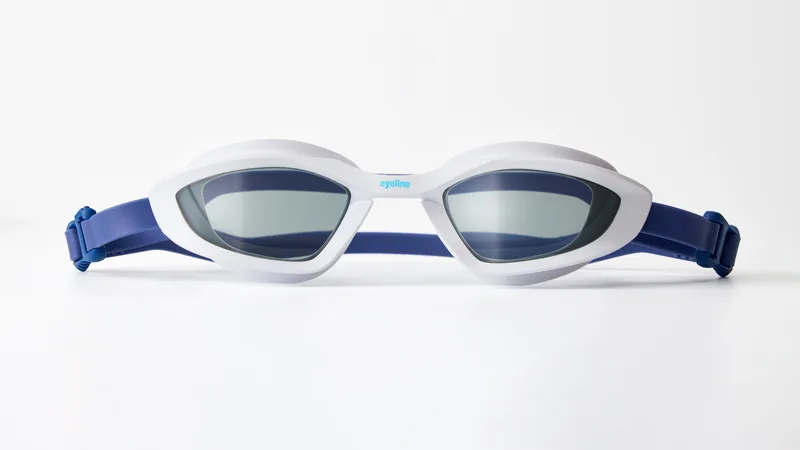
Product
Infini
Fitness Medium
Learn More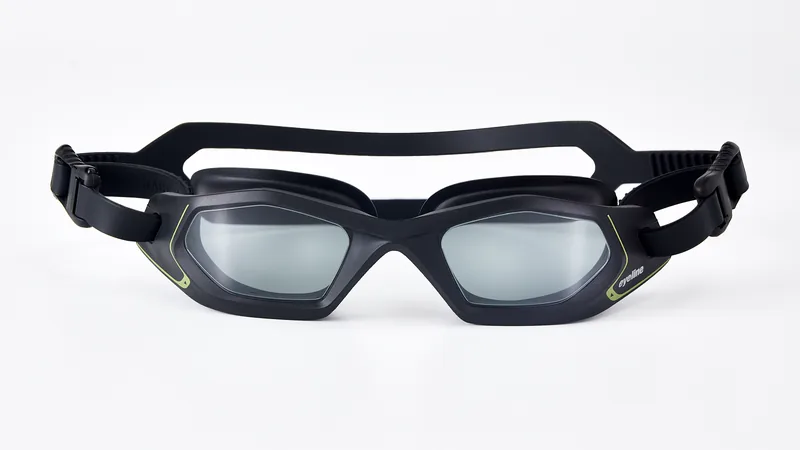
Product
Captain
Fitness Medium
Learn More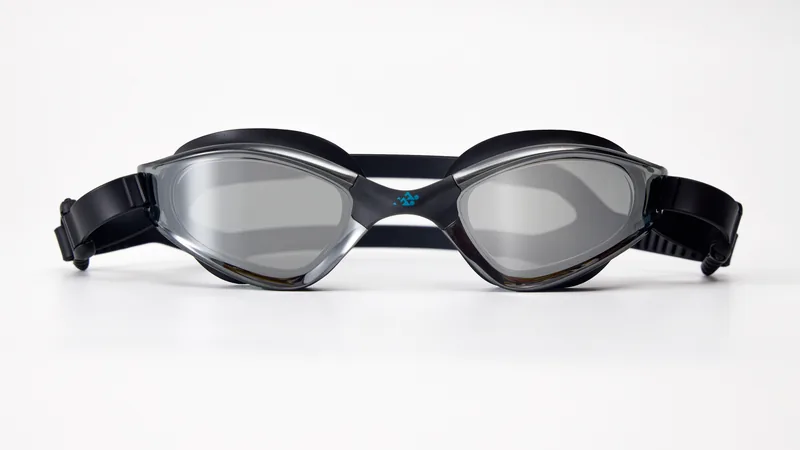
Product
Aqua
Training Medium
Learn More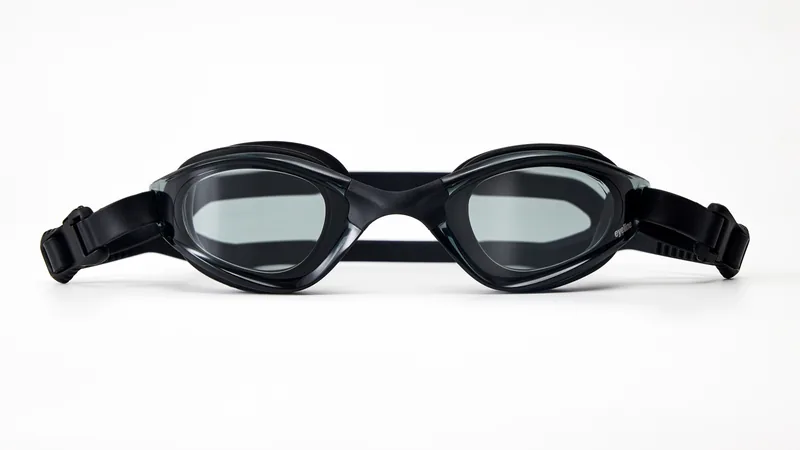
Product
Aqua Silicon
Training Medium
Learn More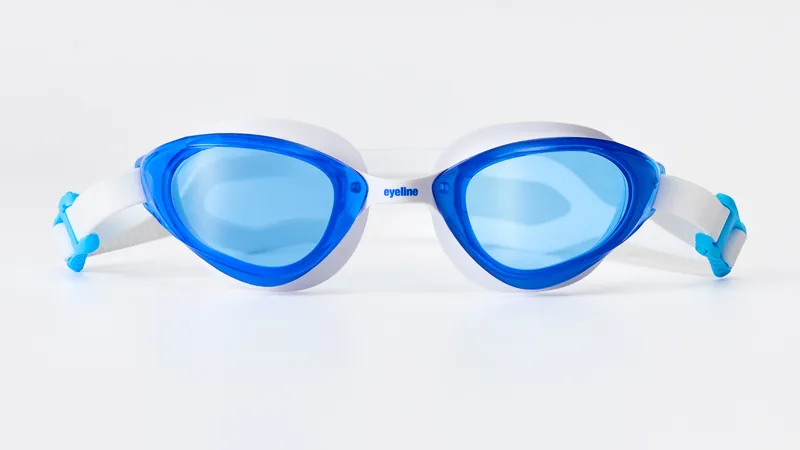
Product
Aquarius
Training Medium
Learn More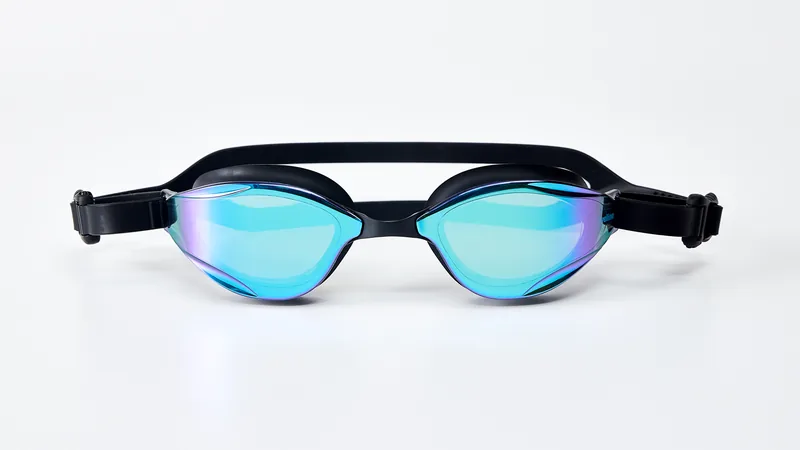
Product
Flo
Training Medium
Learn More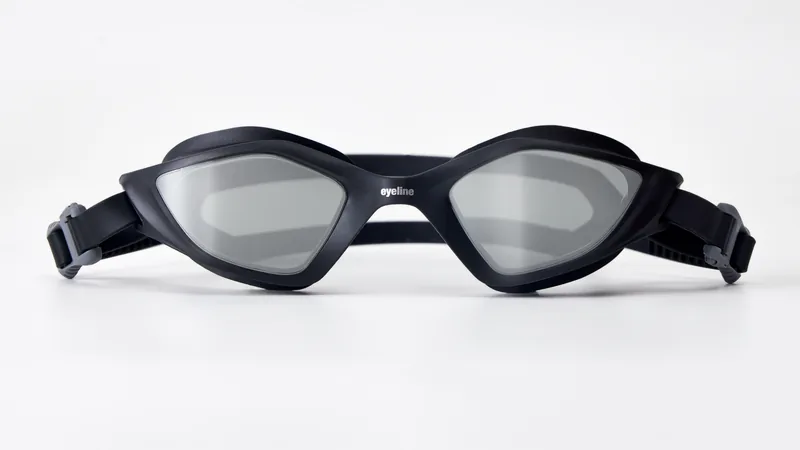
Product
Trix
Training Medium
Learn More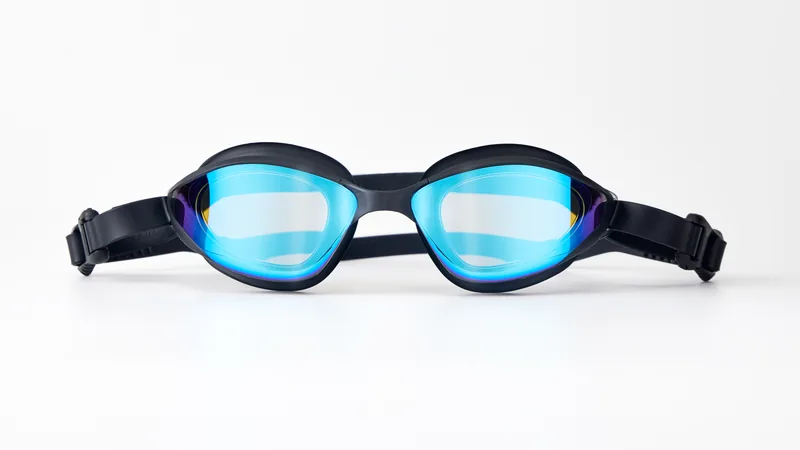
Product
Glide
Training Medium
Learn More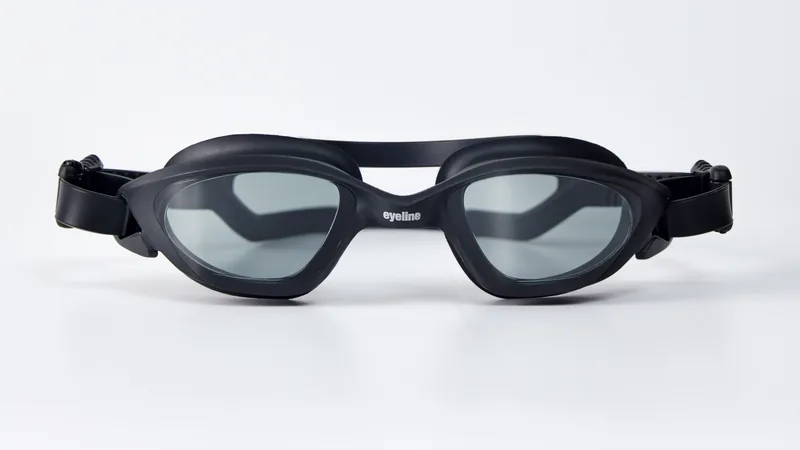
Product
Storm
Training Small
Learn More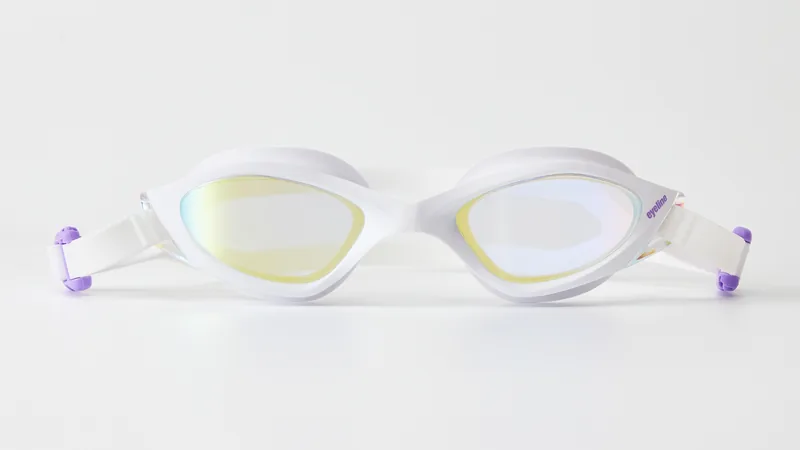
Product
Vortex
Training Small
Learn More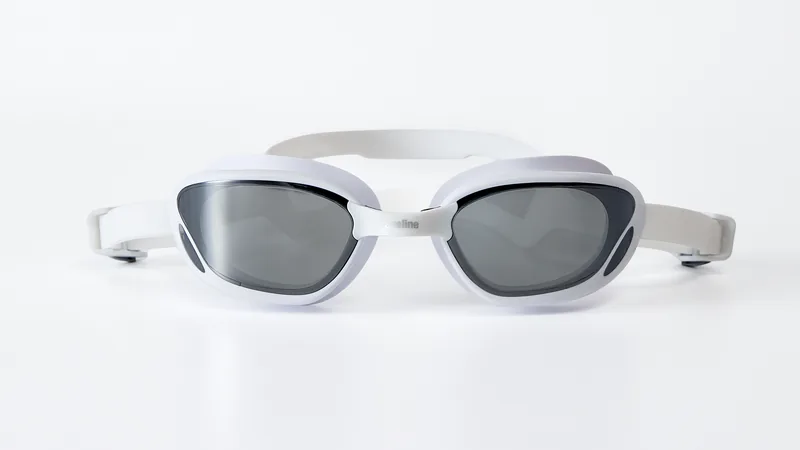
Product
Torrent
Training Small
Learn More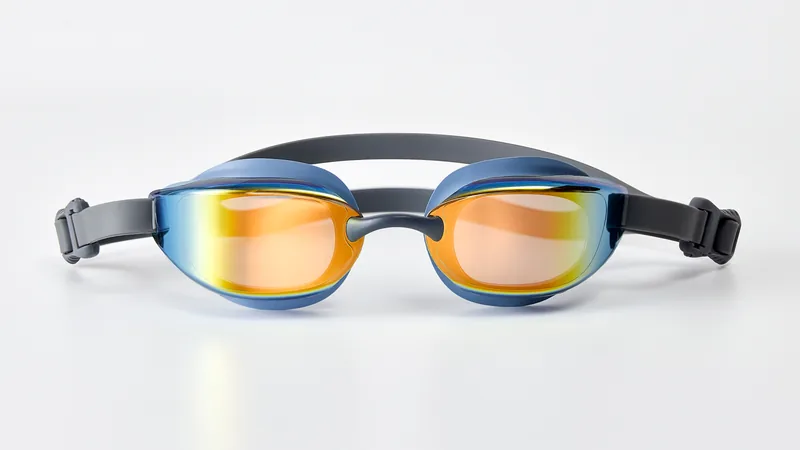
Product
Beams
Training Small
Learn More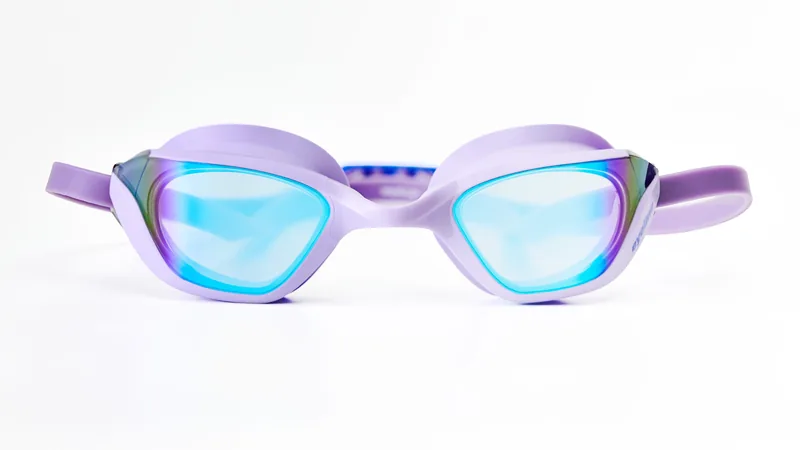
Product
Blade
Hybrid
Learn More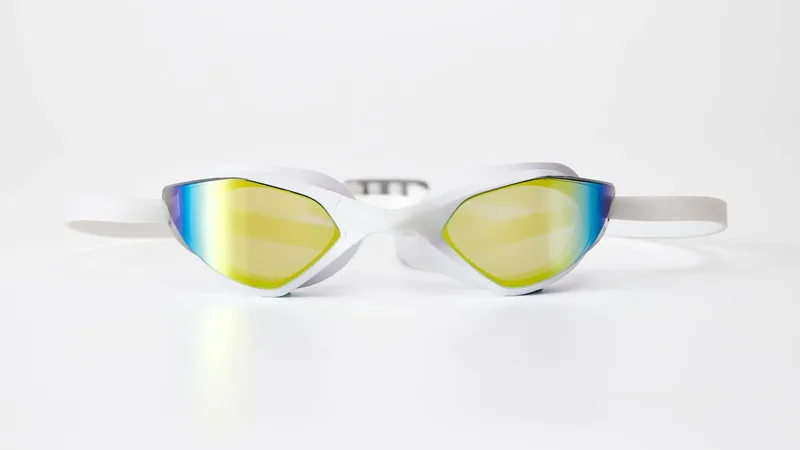
Product
Slash
Hybrid
Learn More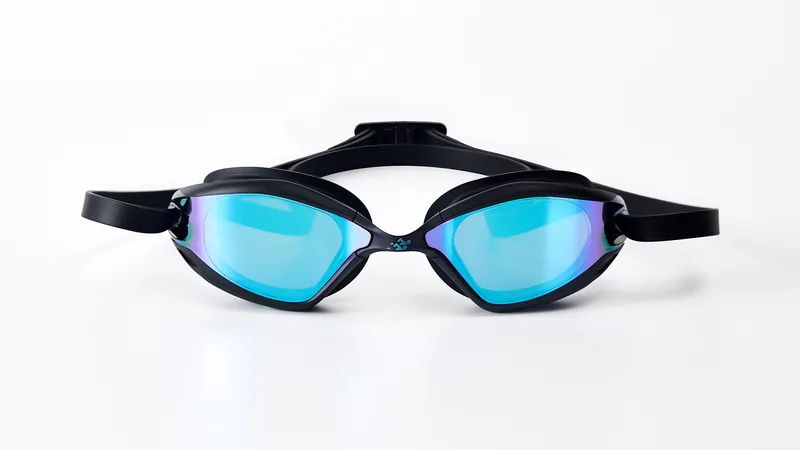
Product
Venom
Hybrid
Learn More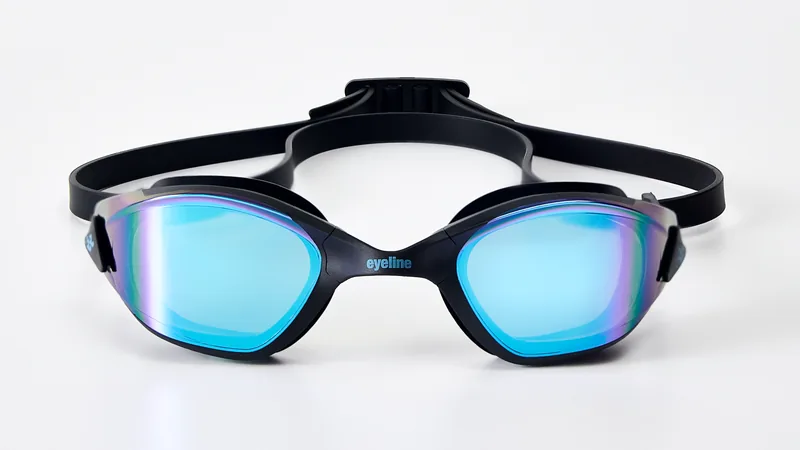
Product
Jetstream
Competition
Learn More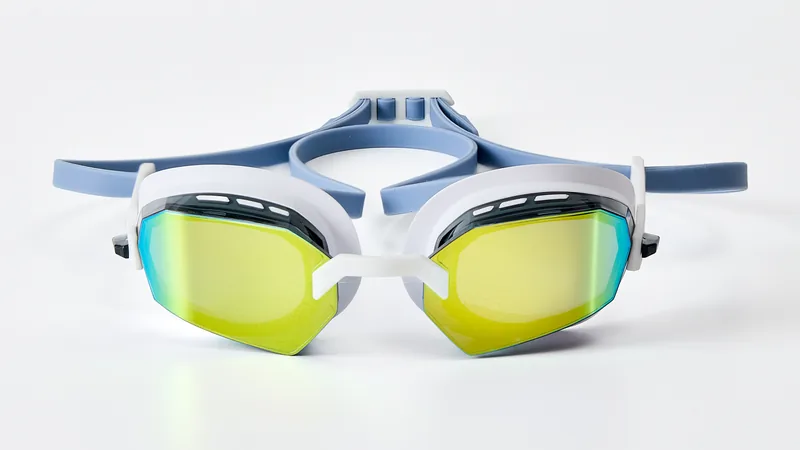
Product
Invicta
Competition
Learn More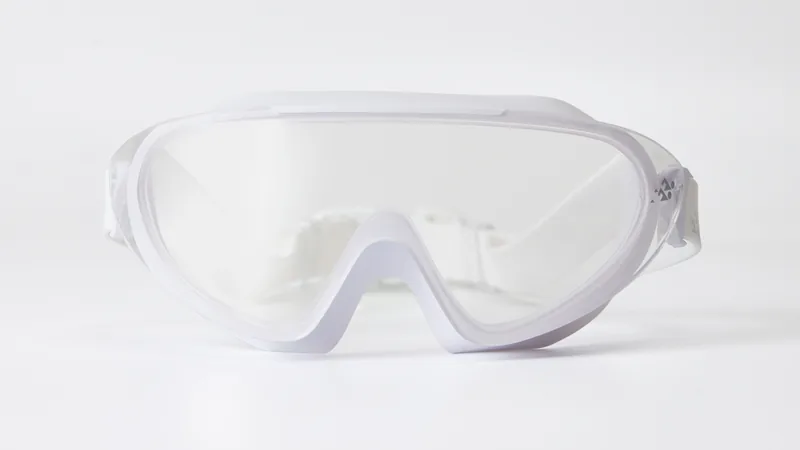
Product
Panora
Mask
Learn More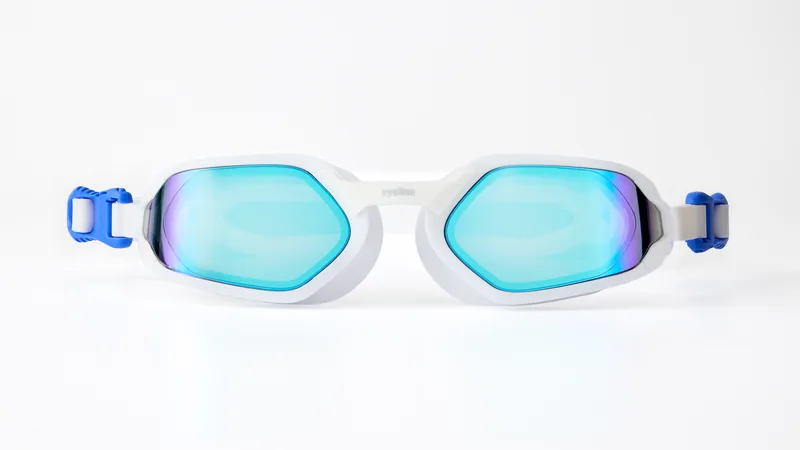
Product
Aquity
Corrective Lens
Learn More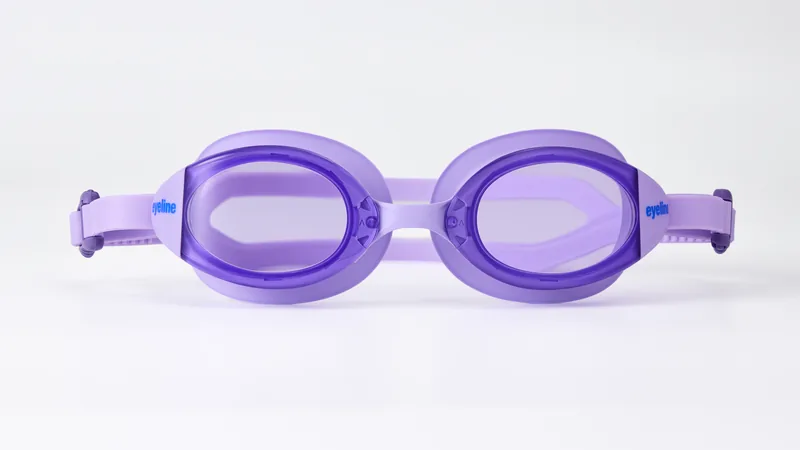
Product
Oracle
Corrective Lens
Learn More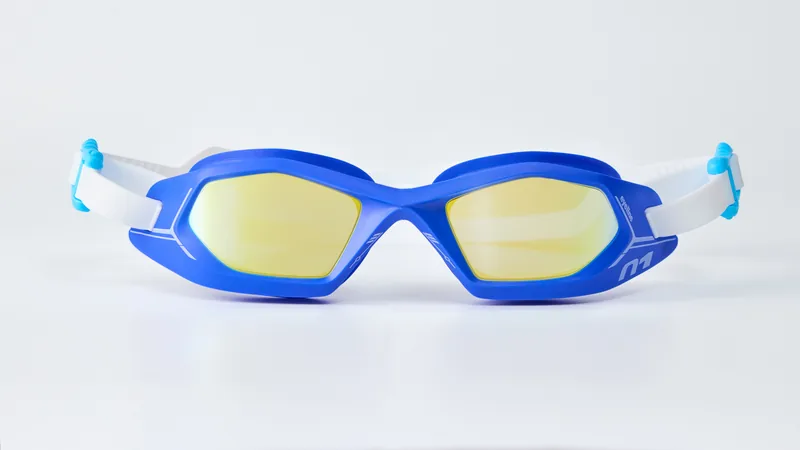
Product
Captain Junior
Junior (6-13 Years)
Learn More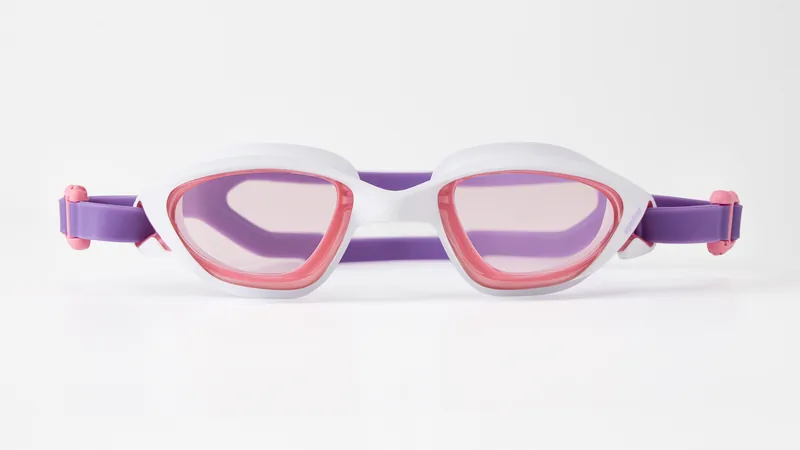
Product
Storm Junior
Junior (6-13 Years)
Learn More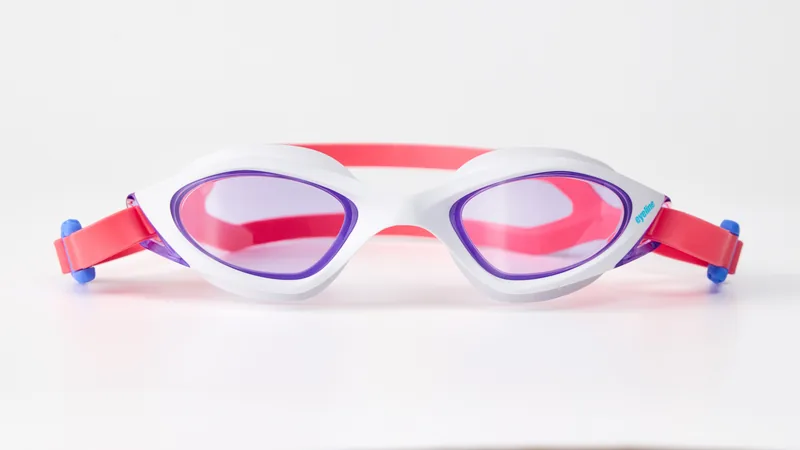
Product
Vortex Junior
Junior (6-13 Years)
Learn More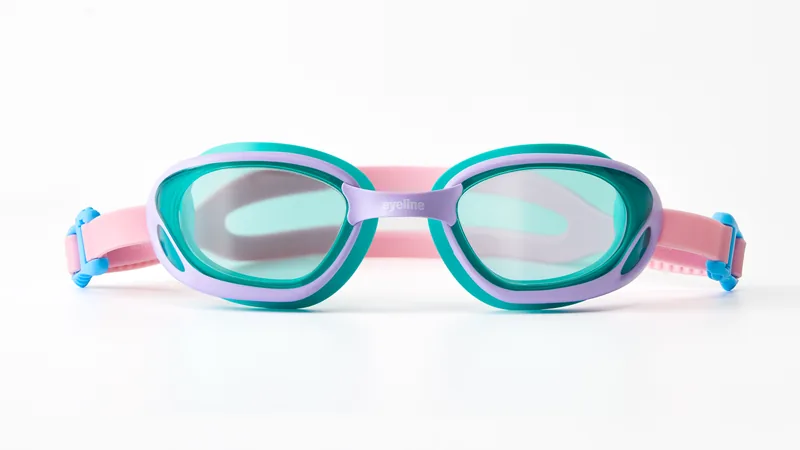
Product
Torrent Junior
Junior (6-13 Years)
Learn More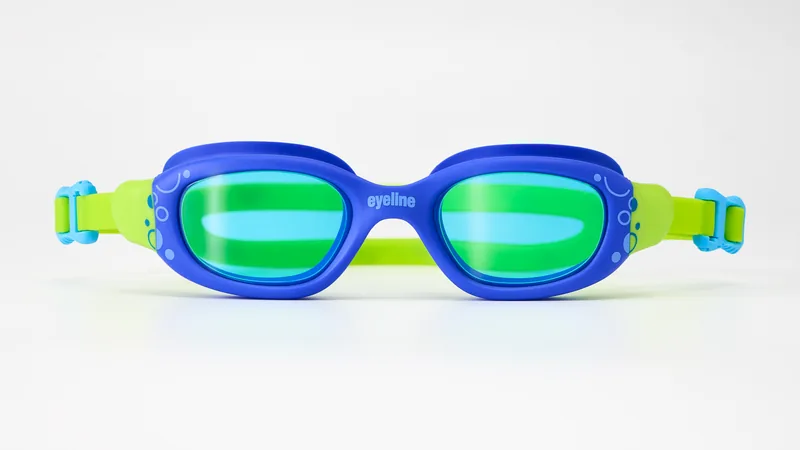
Product
Eve
Kids (2-8 Years)
Learn More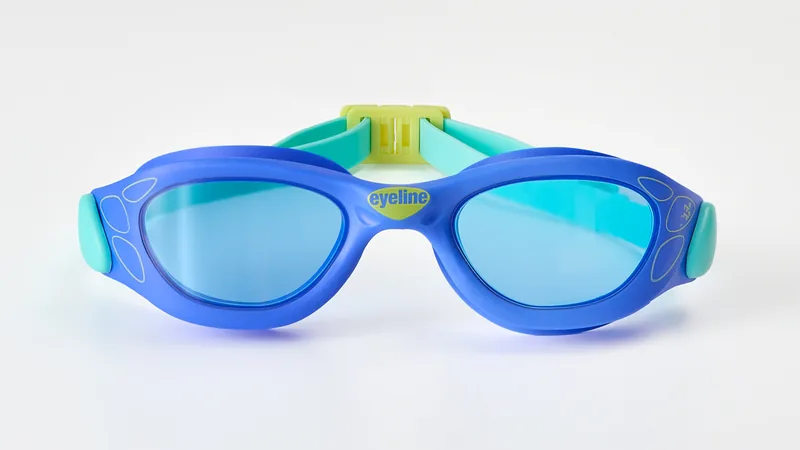
Product
Nano
Kids (2-8 Years)
Learn More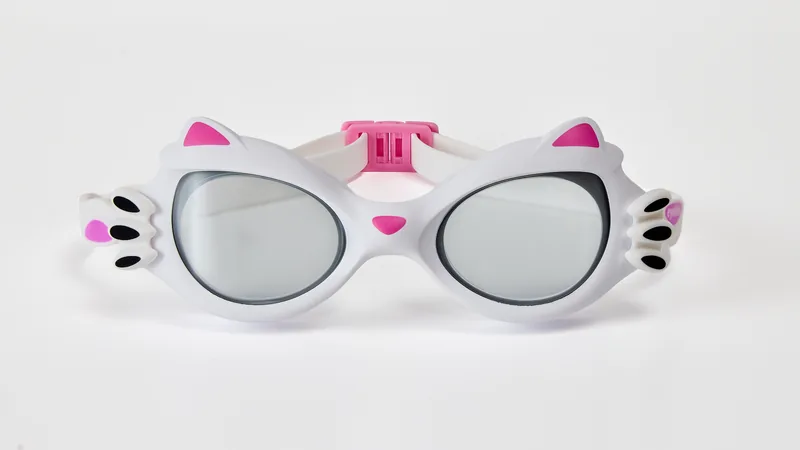
Product
Maomi
Kids (2-8 Years)
Learn More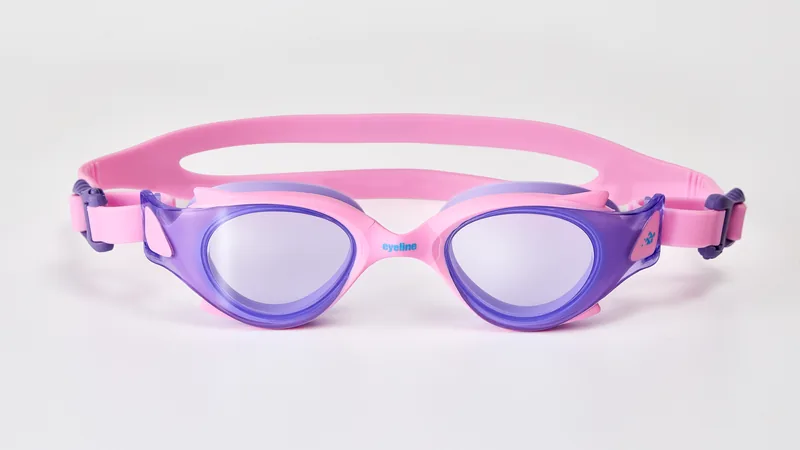
Product
Pico
Kids (2-8 Years)
Learn More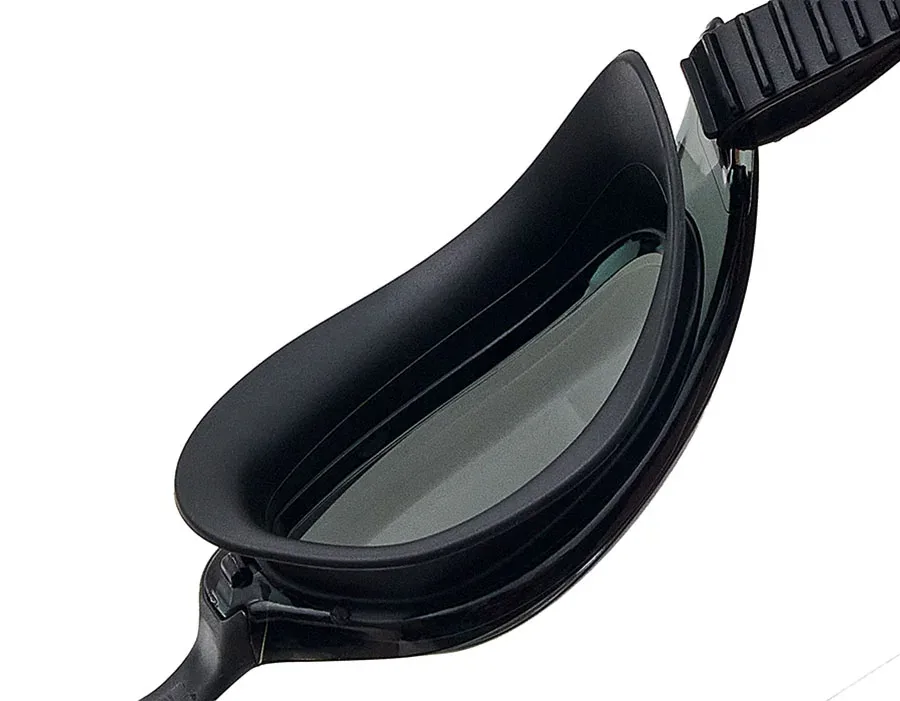
Technology
3D Sculpted Gaskets
Scan-shaped TPE gaskets for a secure, leak-free seal.
Learn More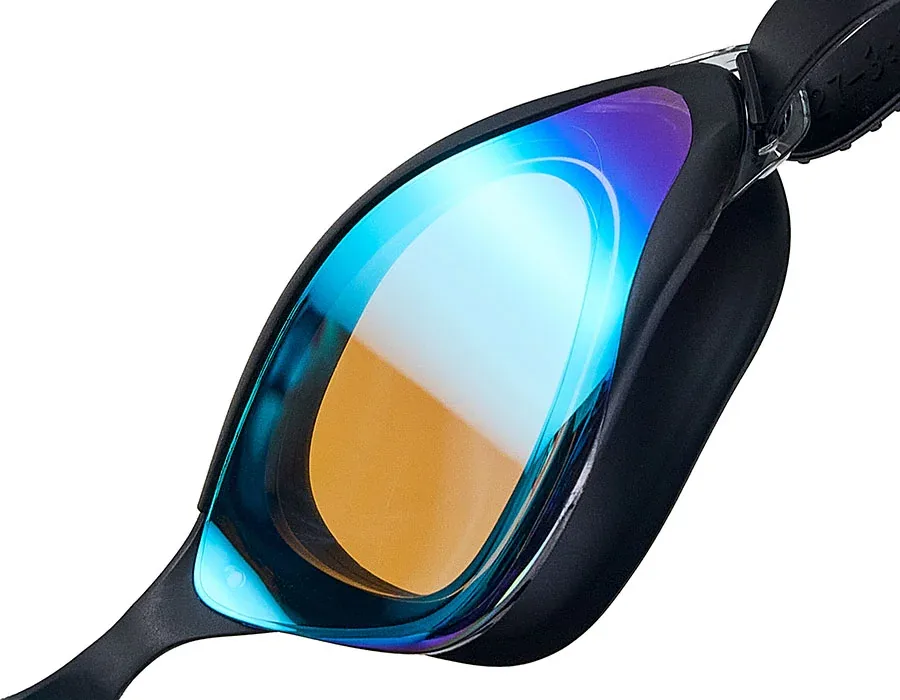
Technology
Wide Vision
Curved, distortion-free wide-vision lenses.
Learn More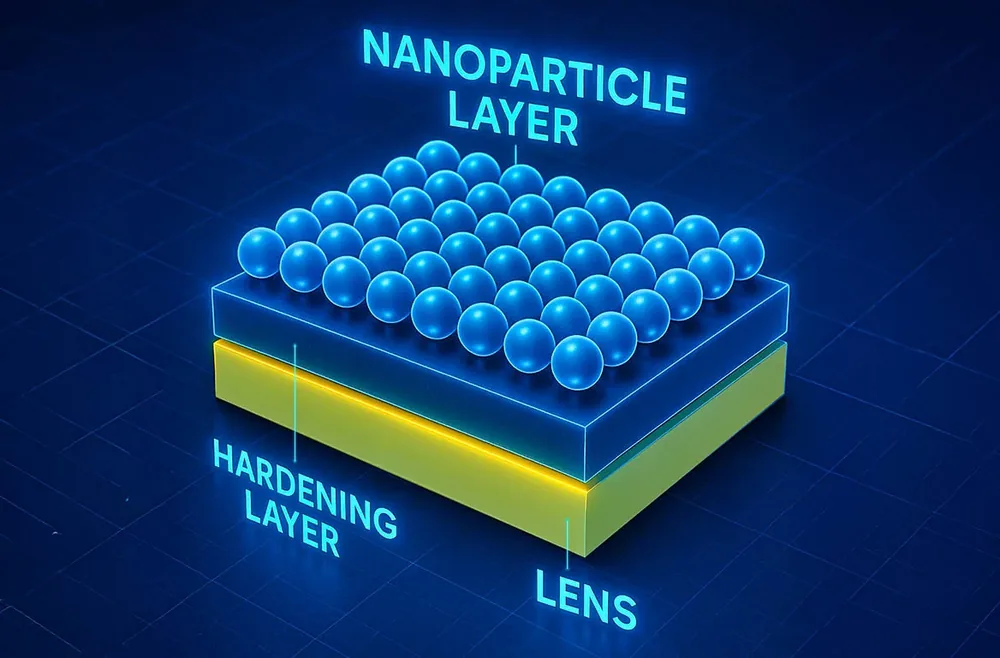
Technology
Anti-Fog
Long-lasting hydrophilic anti-fog coating.
Learn More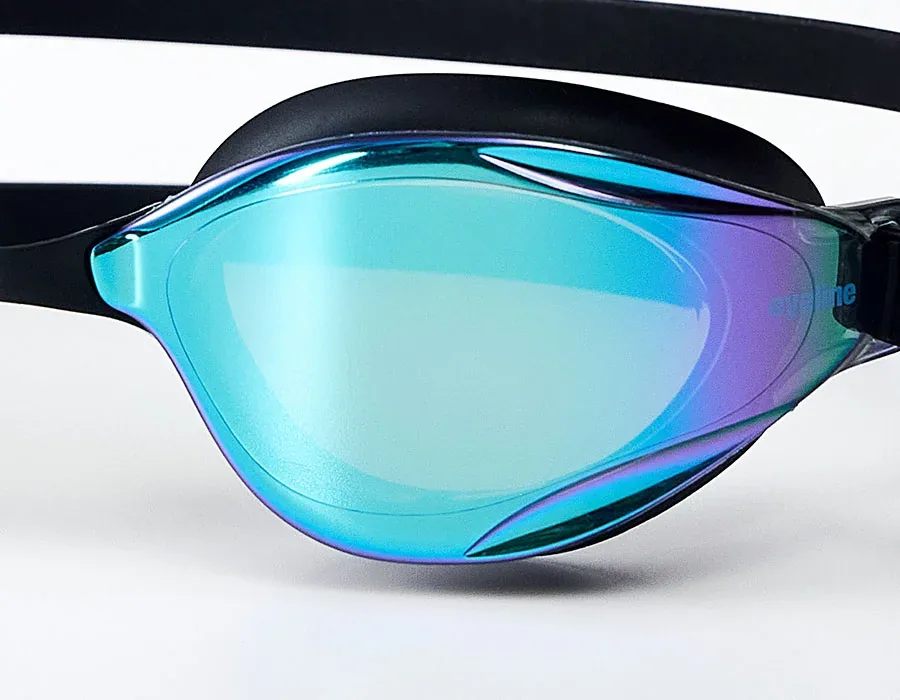
Technology
Mirror Coating
In-house PVD mirror coatings.
Learn More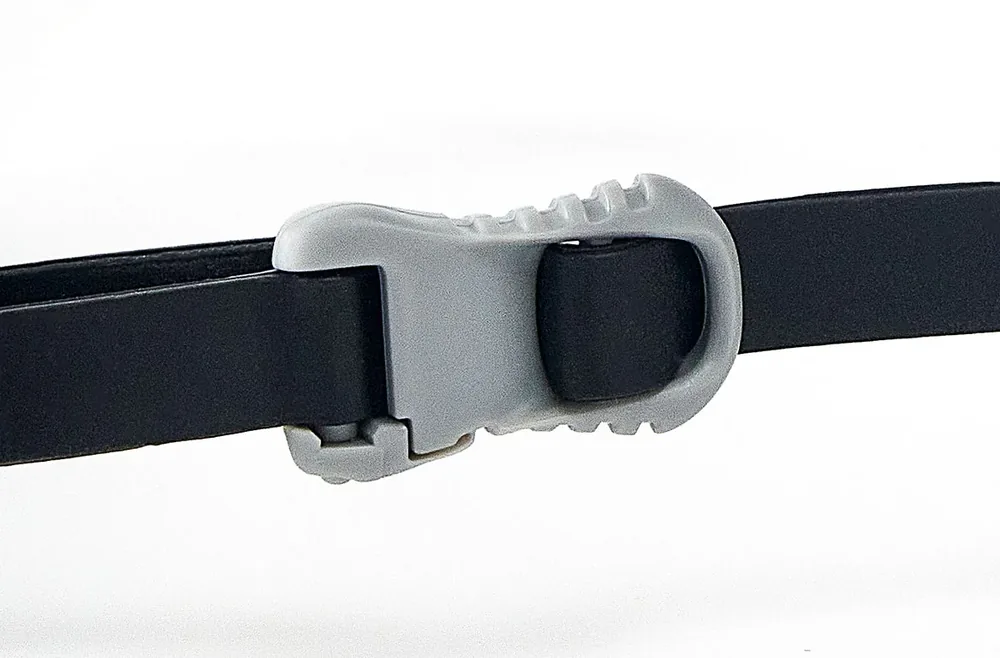
Technology
Quick-Adjust Headband
One-handed buckle that holds through dives and turns.
Learn MoreSourcing a swim goggle program?
We run OEM, ODM, and Private Label out of our own factory in Suzhou. Send the brief and the target volume and we’ll come back with a quote — or come walk the floor, virtually or in person.
Get in touch →