How Swimming Goggles Are Made: Inside Eyeline's Factory
A walkthrough of how a high performance swim goggle is made — injection molding, anti-fog nano coating, 3D scanned gaskets, overmolding, and QC. The piece tracks all ten production stages, from the first concept sketch to the packed carton leaving Suzhou. For a brand, it shows which decisions lock in cost and lead time, and which ones can still change once the tooling is cut.
A swim goggle looks like four parts: two lenses, a gasket, a strap, a buckle. It isn’t. One pair moves through more than twenty manufacturing steps before it gets near packaging — injection molding, surface treatment, overmolding, hand assembly, and a separate test queue at every stage.
What follows is how it works inside our Suzhou swim goggle factory — a 38,000 m² vertically integrated campus, 60+ injection and coating machines, roughly 2.3 million swim goggles a year out the gate. Some of this is industry standard. Some isn’t. All of it ties back to why we’re still here in 2026, after starting in 1963: a swim goggle that holds its seal, stays clear, and doesn’t bend what the swimmer sees.
Stage 1 — Concept and Industrial Design
Every new swim goggle starts with a brief, not a drawing. A brand tells us what they’re trying to make — a compact racing model for an Olympic cycle, a new kids’ line with bright colorways, a wider view training swim goggle for triathletes — along with target volume and target launch.
From there, our industrial design team (based in our Taipei design center) sketches form factors, proportions, lens shapes, and strap geometry. Questions that get settled at this stage shape everything downstream:
- Who is the swimmer? — competitive, recreational, junior, open water, optical correction
- What is the price point? — entry, mid tier, or premium; this drives material choices, anti-fog tier, optional hard coat, packaging, and tooling complexity
- What kind of seal? — close to face L profile for minimal drag, or wider C profile for long session comfort
- What kind of lens? — flat (lowest cost), mild curve, or Eyeline’s signature wide vision curve delivering nearly 180° field of view
- What’s the brand language? — minimalist and aggressive, soft and playful, technical and architectural
We’ve gone through this cycle for more than six decades, and we’ve built the entire process in house precisely so that what design intends is what manufacturing delivers. Nothing is thrown over a wall. We’ve designed and launched entire new and revamped product lines for some of the world’s leading brands.
Stage 2 — Digital Design and Engineering Simulation
Approved concepts move into CAD. This is where a swimming goggle stops being a drawing and becomes a precisely engineered optical and mechanical assembly. Our engineers model every component simultaneously — lens curvature, gasket cross section, nose bridge geometry, strap attachment points, buckle mechanism — so that interfaces between parts are validated before any steel is cut for tooling.
Two specific inputs make a disproportionate difference to final fit:
3D facial scan data. Our gasket geometry isn’t drawn in isolation. It’s engineered against 3D scan data from thousands of swimmers across face shapes and sizes. The gasket is then shaped to distribute sealing pressure evenly across the contact zone — no high pressure spots that cause discomfort or leakage, no low pressure gaps that let water in. A swim goggle that sits on bone rather than soft tissue, and spreads force across the largest comfortable contact area, is what separates a swim goggle you forget you’re wearing from one that leaves pressure rings around your eyes after twenty minutes.
Lens geometry simulation. Curved lenses deliver wide peripheral vision — but only if curvature is controlled precisely across the entire viewing surface. Too little curve and you’ve got a swim goggle that feels enclosed. Too much and you introduce optical distortion. We’ve spent more than a decade perfecting Distortion-Free Wide-Vision Lens Geometry, and every new model’s lens is simulated optically before tooling begins.
By the time digital design is signed off, manufacturability has been checked too — gating and shrinkage accounted for, mold parting lines planned, draft angles validated. This step prevents the expensive surprises that show up on cheaper swim goggles six months after launch.
Stage 3 — Prototyping and Physical Validation
Digital models always need physical validation. We produce rapid prototypes — 3D printed parts for geometry checks, soft tool injection samples for materials validation — and put them in the hands of real swimmers. Fit, seal stability, comfort during long sessions, behavior during dives and turns — all of it is tested and iterated.
Real swimmer testing matters more than any number a CAD model can produce. We maintain prototype panels of swimmers in both Asia and Europe to confirm that gasket geometry, strap geometry, and nose bridge fit work across the full range of facial structures a global brand has to serve. Universal fit is not a single shape; it’s a tested envelope. A swim goggle that seals beautifully on Asian face profiles but pinches on European bridges is not a swim goggle that ships, and the fastest way to find out is to put pre tooling samples on the faces of swimmers in both regions and listen to the feedback.
Each prototype iteration tightens the gasket cross section, refines lens curvature, and adjusts strap and buckle geometry. Five or six rounds is typical; ten is not unheard of for a flagship model. We also stress the prototype the way the swimmer will — chlorine soak, tumble in a swim bag, dive entry, twist on turn — and inspect for the early failure modes that will surface in the field if they aren’t fixed before tooling. Only after a prototype survives real pool testing across multiple swimmer panels does a design move into mass production tooling.
Stage 4 — Precision Tooling
Tooling is where most of the money is spent and where most of the competitive difference lives. The quality of a swim goggle is — at a fundamental, physical level — a reflection of the quality of the steel that molds it.
Our in house tooling team builds single cavity and multi cavity injection molds for each component of a swim goggle: lens, gasket, frame, nose bridge, buckle, strap adjuster, side cover, spring clips. A typical full swim goggle has 4–12 distinct molded components, each requiring its own mold. High precision tooling covers:
- Optical grade lens molds (polished to near-mirror surface for clarity)
- Overmolding bases (with exact registration features for downstream steps)
- Multi shot dual color molds (for two tone aesthetics in a single cycle)
- Family molds (producing multiple components in one shot for assembly efficiency)
Gating, cooling channels, ejection, and venting are all engineered at this stage. A badly cooled mold produces parts with sink marks, splay, or internal stress — defects that might be invisible on day one but cause cracking or clouding in the customer’s hands six months later. At any given moment, we have dozens of molds active in production and dozens more in development.
Stage 5 — Quality Department Lab Testing
Once tooling is built and the first articles come off the molds, the swim goggle moves out of engineering and into the Quality Lab. This stage is the gate before mass production. Nothing runs at volume until our QC team has independently certified that the part performs to spec — optically, mechanically, environmentally, and chemically.
Our quality department operates a dedicated in house lab that simulates the conditions a swim goggle will face over its life:
- UV exposure — accelerated aging chambers compress months of pool deck and outdoor exposure into days, validating color and material stability under sun
- Chlorine resistance — immersion tests on gaskets, lenses, and straps using calibrated chlorine baths to detect coating delamination, gasket softening, or color shift
- Optical accuracy — refractive power, prismatic error, and color neutrality measured on optical benches across ten different pupil distance values, because optical performance varies with where on the lens the eye actually looks
- Mechanical stress — drop tests, strap pull, repeat flex on buckle mechanisms, and seal cycle tests on the gasket interface
Beyond the simulation suite, the lab certifies every new model against the international standards downstream customers require: ISO 18527-3:2020 (sports eye protectors) with the standard preconditioning protocol, CE under the EU PPE Regulation, FDA Class I, UKCA, and GB/T 44458.3-2024 for the Chinese domestic market. Every model in our active lineup has its own dedicated test report on file — 32 today — and these are the documents downstream brands ask for during onboarding and audit.
We also test for what shouldn’t be in the swim goggle. Restricted substance panels under REACH, CPSIA, and GPSR run on every new material lot, with documented cadmium limits and UV stabilizer levels well below regulatory thresholds. Anti-fog cycle testing on incoming nano coating batches uses the finger wipe protocol our largest customer adopted as benchmark — every supplier delivery is sample tested before it’s released to production. A 16 channel temperature recorder runs 24 hours a day on the anti-fog cure ovens so the cure curve is documented and traceable batch by batch.
Lab certification is what separates a swim goggle that passes brand acceptance from one that gets returned for retooling six weeks before launch. We do this work before injection molding scales up, not after, because catching a problem at the prototype lab stage costs days. Catching it at the warehouse costs months.
Stage 6 — Injection Molding
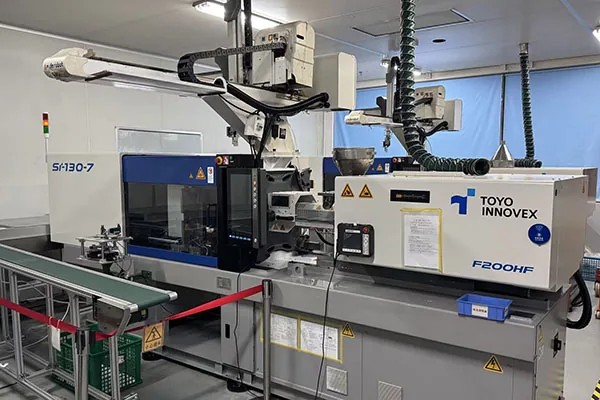
Injection molding is the heart of manufacturing, and the place where scale and precision have to coexist. Our 60+ injection and coating machines span a full tonnage range — from compact 35-ton machines for small components up to 160-ton platforms for larger lens and frame parts.
Several things about how we run injection matter for the swim goggle you eventually hold:
All electric machines for optical grade lenses. Lens production runs on Japanese all electric machines (Sumitomo and Toyo). Electric drives give tighter shot to shot repeatability than hydraulic machines, which translates directly into optical consistency across every production run. For a swim goggle, that means the 100 thousandth pair off the mold sees as clearly as the first.
Material preparation matters more than people think. Polycarbonate — the lens material — is hygroscopic. Moisture in the PC pellets turns into microscopic steam bubbles under injection pressure and ruins optical clarity. Our PC material goes through a honeycomb-rotor dehumidifier that takes moisture from roughly 0.13% down to 0.05% in four hours before it ever enters the barrel. This is why our lenses look clear: because the PC is dry before it’s injected, not because we hope.
Multi material injection. Most of our high performance swim goggles use overmolding or multi shot injection. The soft TPE gasket is molded directly onto the polycarbonate lens in a second shot process, creating a chemical and mechanical bond that no assembled swim goggle can match. This is why Eyeline swim goggles feel tighter, smaller, and more comfortable than hand assembled alternatives — and why they keep their seal for years instead of months.
Real time monitoring. Most of the fleet is connected to IoT dashboards — mold open/close counts, cycle times, cavity pressure, downtime reasons. Data flows into our MES/ERP system, which is used to track every production order from raw material through to finished packing.
Materials we use:
| Component | Material | Why |
|---|---|---|
| Lens | Polycarbonate (PC) | Optical clarity, impact resistance, UV stabilized |
| Gasket | Taiwan imported TPE, 40 ShA | Soft, flexible, chlorine resistant, latex free, hypoallergenic |
| Nose bridge | TPEE or POK (varies by model) | Flex durability |
| Buckle | PP or PC | Adjustment strength |
| Strap | Silicone | Comfort, hypoallergenic, stretch retention |
| Side covers | PC | Protection, lightness |
| Spring components | POM (polyoxymethylene) | Dimensional precision, long life fatigue |
Every material in this list is chosen for a specific reason. Every substitution — and there are always tempting substitutions available at lower cost — carries a downstream performance penalty we’ve already measured.
Stage 7 — Surface Treatment (Anti-Fog, Hard Coat, Mirror)
This is the stage that separates great swim goggles from swim goggles that fog up mid session. It’s also the most process intensive step in the entire factory, and the one where we invest the most in proprietary technology.
Hard Coating
Not every swim goggle gets a hard coat. It’s an option specified for premium models only — entry and mid tier swim goggles skip this step. When applied, the lens receives a hard coat layer sprayed on and cured at 120 °C for 90 minutes. Hard coat improves scratch resistance, seals the lens surface against micro pitting from chlorine and mineral deposits, and provides the substrate onto which anti-fog chemistry bonds.
Anti-Fog — Two Paths
We offer two anti-fog technologies, each engineered for a different segment:
FSI anti-fog — American imported, trusted. Passive activation — works from first use, no prep required. Specified by default on our highest volume customers.
Nano Anti-Fog — our proprietary super-hydrophilic coating. Silica nanoparticles bond into the lens surface at the molecular level, so the coating is part of the lens, not a layer sitting on top. The lens is hydrophilic by design: moisture spreads into a uniform water film instead of condensing into fog droplets. One light swipe before the first swim activates full clarity. Our internal test sees 75 consecutive swim sessions before performance drops. Nano has passed ISO 18527-3:2020 testing with the standard preconditioning protocol. The chemistry, application, and cure profile all change between generations — every lot pushes the cycle count.
The actual anti-fog production sequence runs like this: plasma dry wash treatment → anti-fog application → oven cure at 120 °C for 40 minutes. Each step has monitored temperature profiles — our 16 channel temperature recorder runs 24 hours a day so we know the cure curve never drifts.
Mirror Coating (Optional)
For mirrored swim goggles, a vacuum deposition mirror coating is applied after anti-fog. Mirrors are available in silver, gold, blue, and other colors, with adhesion and scratch resistance that exceed international requirements. Every batch is application tested before release.
Stage 8 — Assembly
After surface treatment, parts move to assembly. Swim goggle assembly at Eyeline is entirely manual — performed by trained operators across our four assembly workshops. Lenses, gaskets, nose bridges, straps, and buckles are brought together by hand, one pair at a time. We’ve considered automation many times, but a swim swim goggle has too much soft material, too many tactile fit checks, and too much variation between models for fixed station automation to outperform a skilled operator. Hand assembly also means a human eye and hand on every pair before it’s boxed.
On models with overmolded gaskets, assembly is partly about joining the overmolded lens and gasket unit to the strap and buckle system. On models with modular components — interchangeable nose bridges, replaceable straps — assembly happens at final pack.
Operators perform tactile and visual checks at every station:
- Optical clarity — lens seated correctly in the gasket, no distortion or tilt
- Seal geometry — gasket properly bonded, no gaps, no inverted edges
- Strap tension — buckle grips at specified torque, doesn’t slip under load
- Nose bridge fit — interchangeable bridges click into place correctly
Stage 9 — Quality Control and Testing
Quality is not a department at Eyeline — it’s a sequence of gates every swim goggle has to pass before leaving the building.
In process QC:
- Dimensional sampling on molded components (every hour, every cavity)
- Optical inspection on lenses (spot checks on cosmetic defects; pass rate tracked)
Final QC:
- Optical test — spot checks for refractive consistency per SW grade classification
- Chlorine / UV validation — batch samples subject to accelerated aging
- Standards compliance — every model certified against ISO 18527-3:2020 (sports eye protectors), CE (EU PPE Regulation), FDA registration (US Class I), UKCA (UK), GB/T 44458.3-2024 (China domestic)
- Restricted substances — components tested to REACH, CPSIA, GPSR, with documented cadmium limits and UV stabilizer levels (UV-326 at well below the 0.1% regulatory threshold)
Every order has full traceability via our MES/ERP system. If a brand needs to trace a specific batch back to its mold, shift or raw material lot number, we can.
Stage 10 — Packaging and Dispatch
Finished swim goggles are packed to brand specification — clamshells, pouches, eco packaging options (our recycled and FSC certified packaging programs are active), retail ready bundles for customers shipping direct to stores. Every pallet is logged into the warehouse management system and dispatched according to the brand’s delivery schedule. Our 38,000 m² campus includes dedicated warehouse and logistics zones so that completed goods move from final pack to container load without delays.
What This Means for Brands
Any manufacturer can injection mold a swimming goggle. Very few can do what we just described end to end, under one roof, to international standards, at scale. If you’re a brand evaluating OEM partners, here’s what to look for — and what to ask about:
- In house tooling — or subcontracted? Subcontracted tooling means slower iteration and less control over precision.
- Material handling — is PC properly dehumidified? Ask about the drying process specifically. If a factory can’t answer, their lens clarity will vary.
- Overmolding vs hand assembly — overmolded gaskets give a permanent bond; hand assembled gaskets don’t. Ask which your partner uses.
- Anti-fog technology — is it a one size fits all import, or do they have tiered options for different price points? A good manufacturer offers choices because different customers need different trade offs.
- Testing rigor — ask for actual test protocols, not just certifications. Anyone can list ISO numbers on a website. Ask what they test, how often, and what the pass criteria are.
- Traceability — ask whether they can trace a finished swim goggle back to a specific lot, shift, mold. Manufacturers with real MES/ERP infrastructure say yes; manufacturers running on spreadsheets say “we’ll see.”
- High-stakes production history. Has the factory delivered for events where missing a date costs a sponsorship rather than a margin point? Olympic cycles, World Aquatics championships, federation programs — that pressure is what surfaces process weaknesses other manufacturers never get told about.
The Short Version
A swim goggle that holds up is the sum of four things: 3D-scanned gasket geometry, all-electric Japanese injection on optical-grade tooling, nano-embedded anti-fog, and the decades of process refinement that sits on top of the sixty years we’ve been making swim goggles. None of it is mysterious. All of it takes continuous investment in tooling, people, and process to keep working at scale.
If you’re sourcing a custom or Private Label program, send the brief and the target volume. We’ll come back with a quote — or come walk the factory floor, virtually or in person. Send a brief →
Related
Buyer Guides
Types of Swim Goggles
Ten swim goggle categories — competition, hybrid, training, fitness, mask, corrective, junior,…
Learn More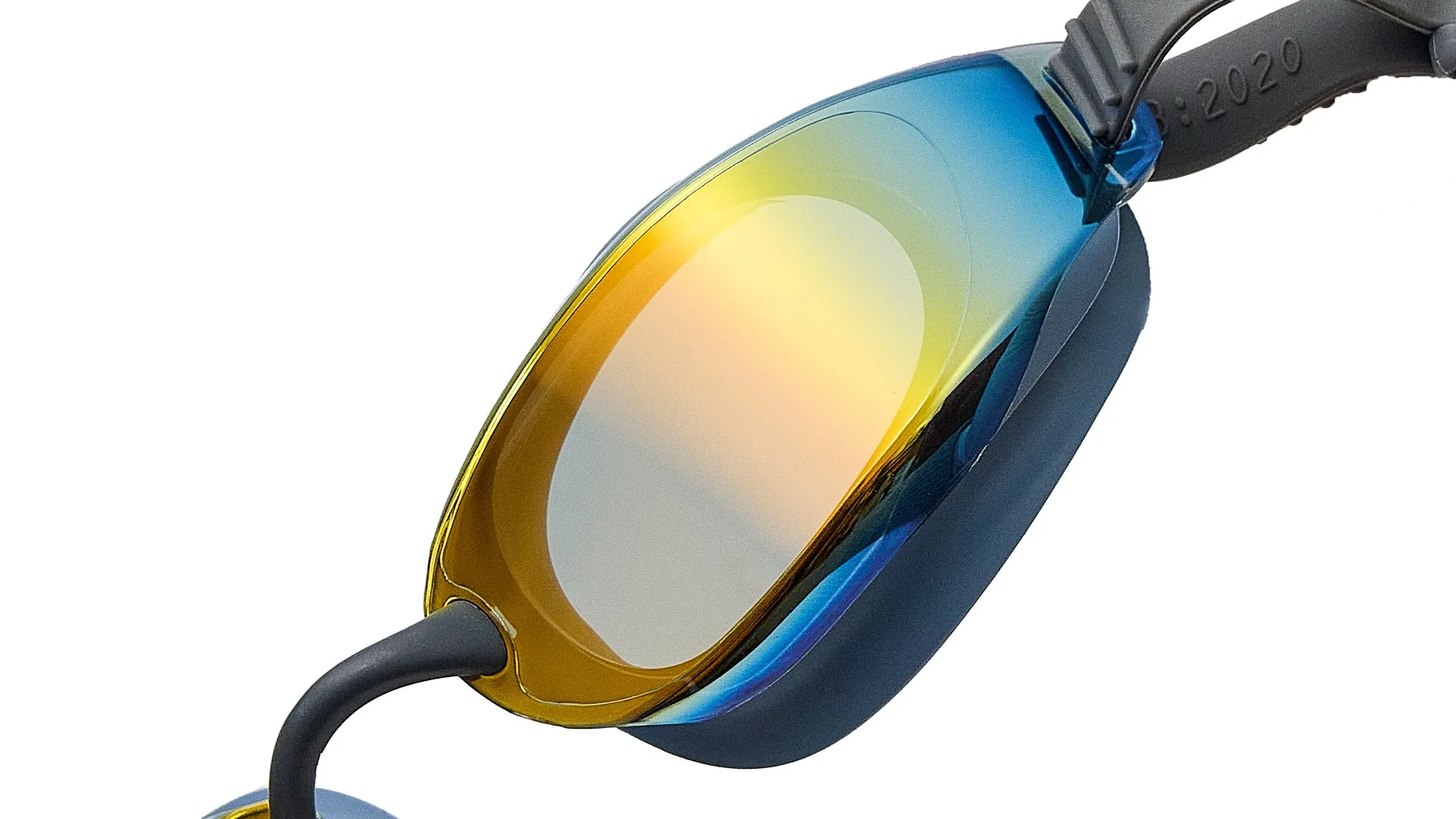
Buyer Guides
OEM vs ODM vs Private Label
OEM, ODM, and Private Label swim goggle programs cost differently, take different lead times,…
Learn More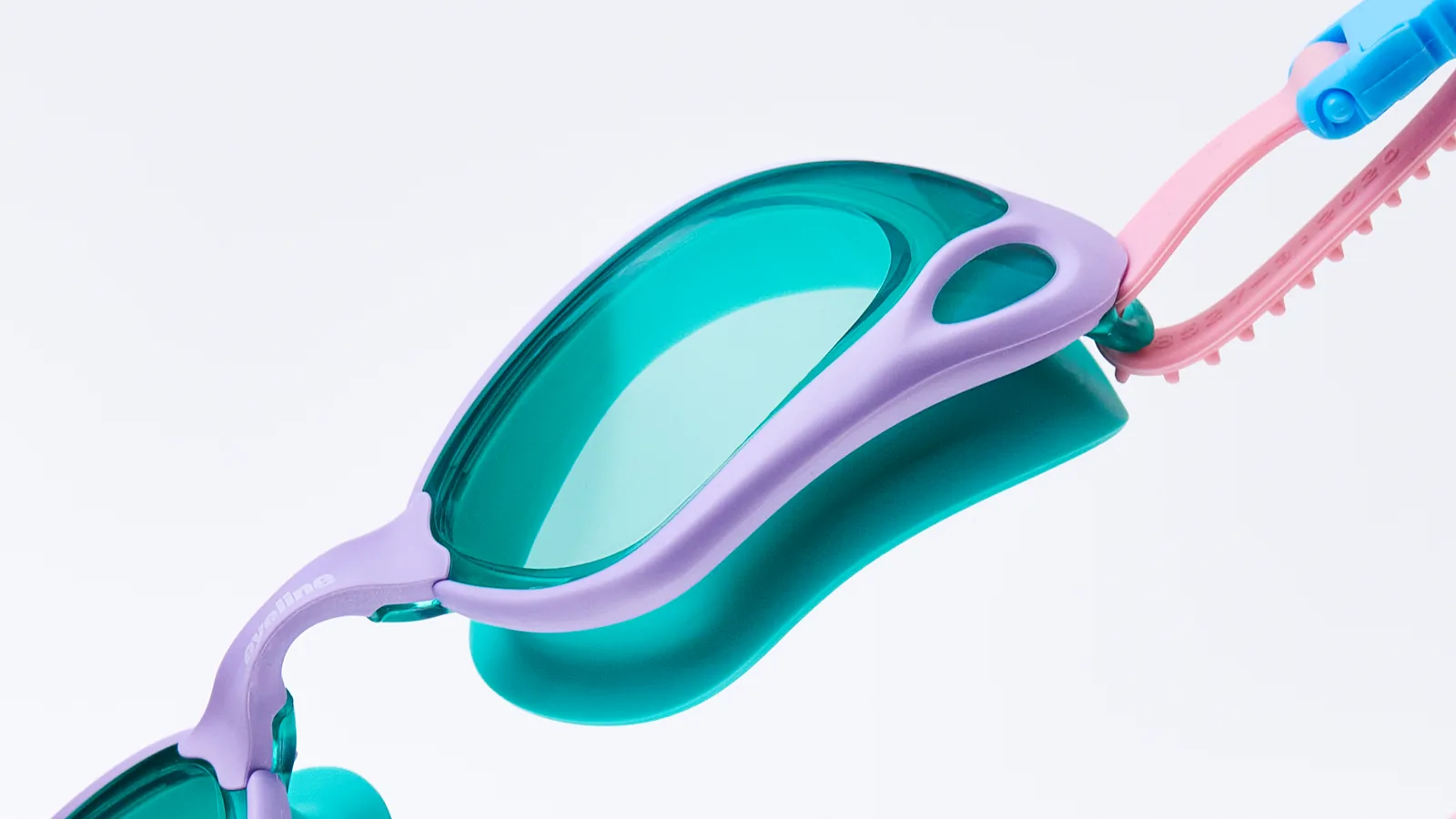
Manufacturing
In-House R&D at a Swim Goggle Manufacturer
What in-house R&D really means at a swim goggle factory
Learn More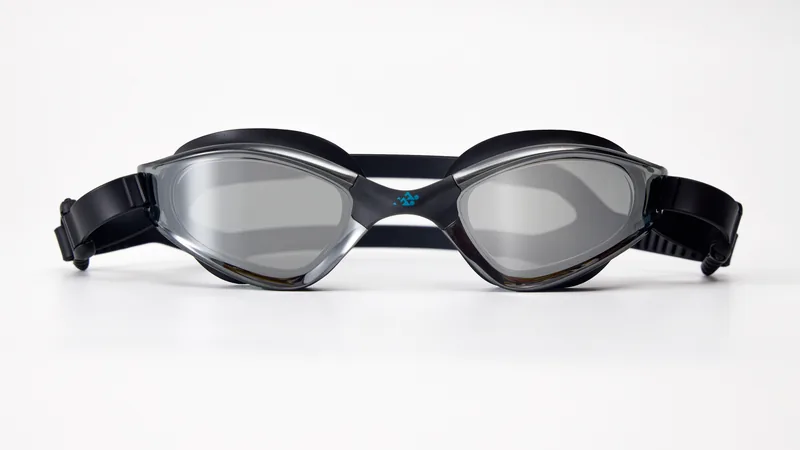
Product
Aqua
Training Medium
Learn More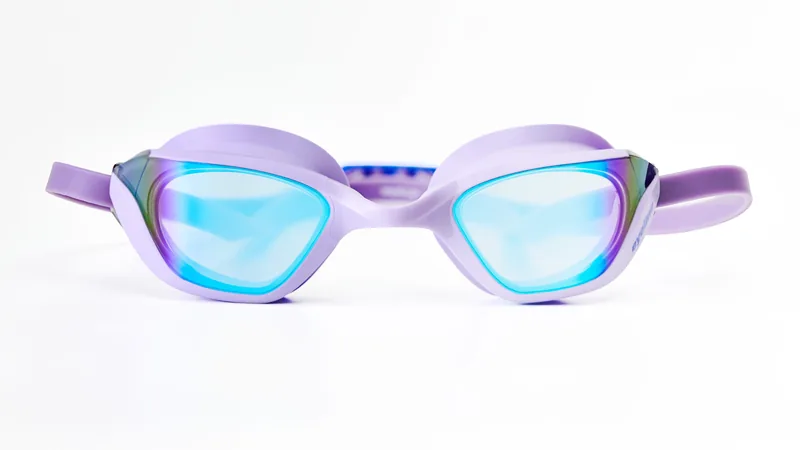
Product
Blade
Hybrid
Learn More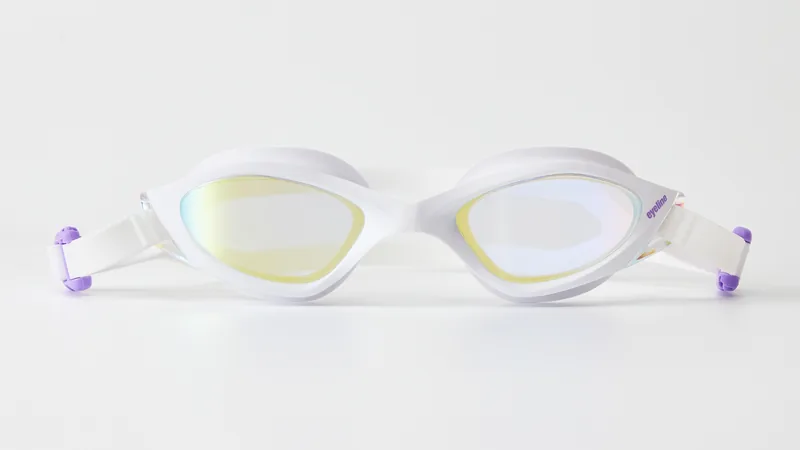
Product
Vortex
Training Small
Learn More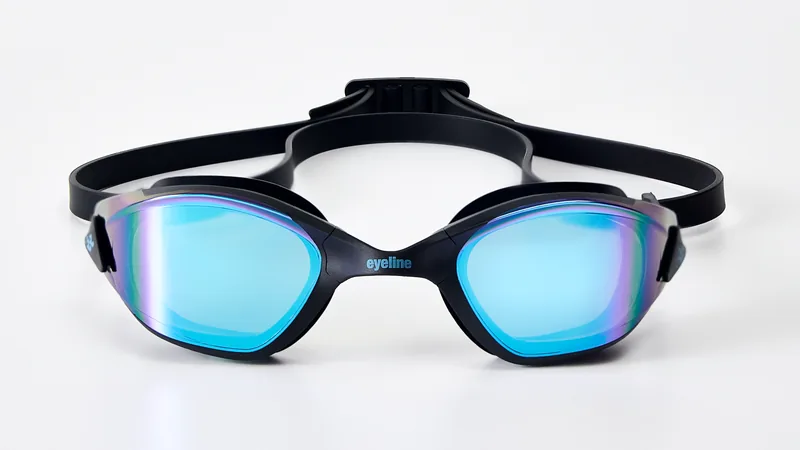
Product
Jetstream
Competition
Learn More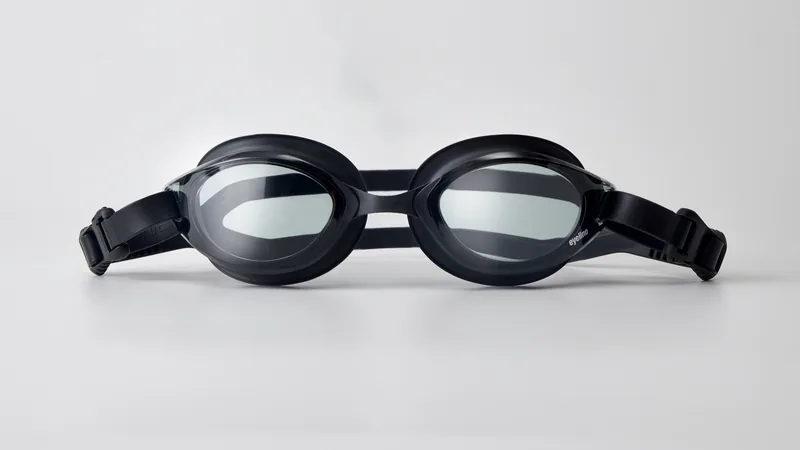
Product
Zevo
Fitness Large
Learn More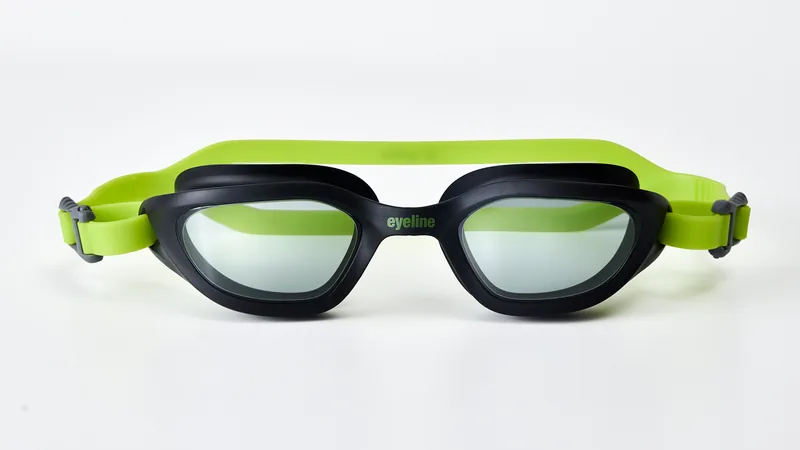
Product
Flux
Fitness Large
Learn More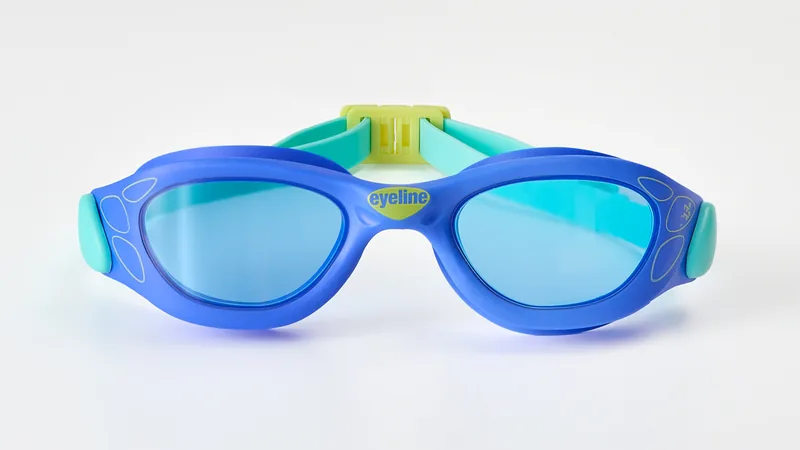
Product
Nano
Kids (2-8 Years)
Learn More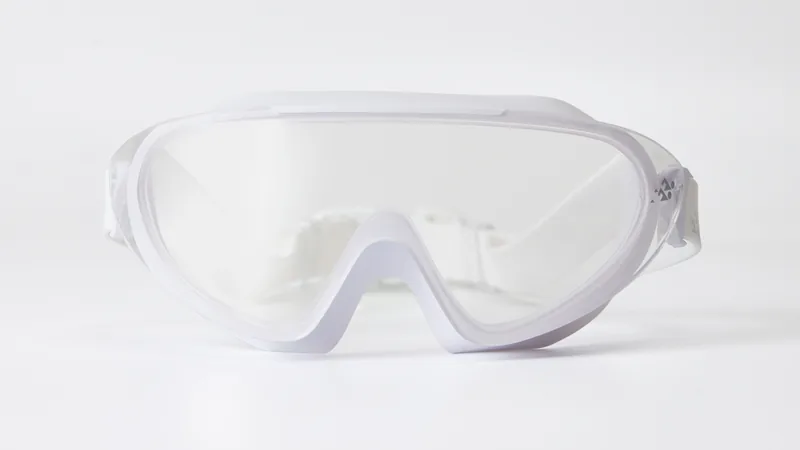
Product
Panora
Mask
Learn More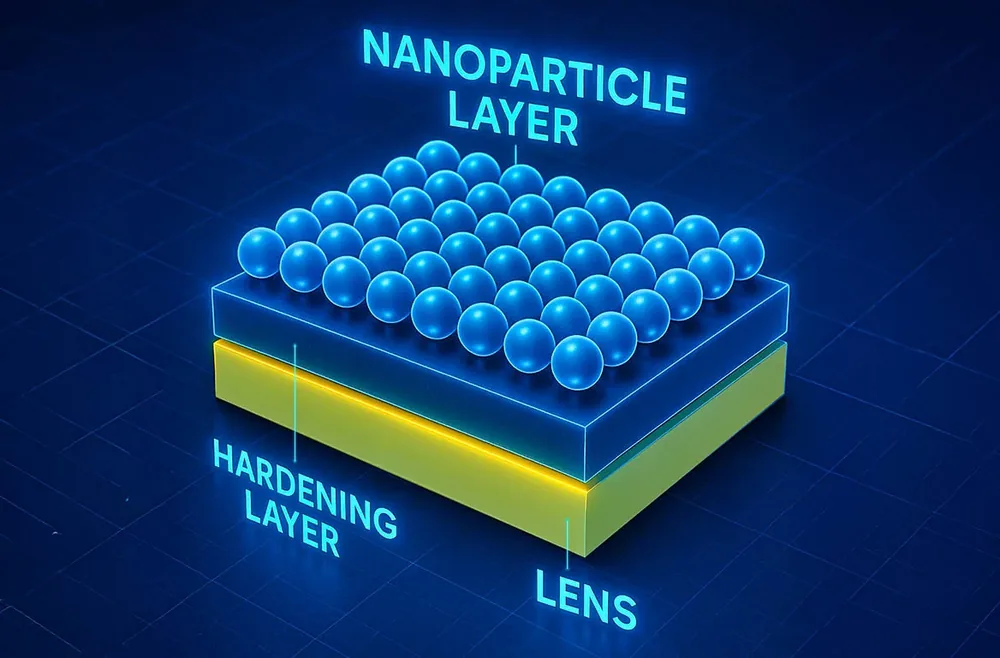
Technology
Anti-Fog
Long-lasting hydrophilic anti-fog coating.
Learn More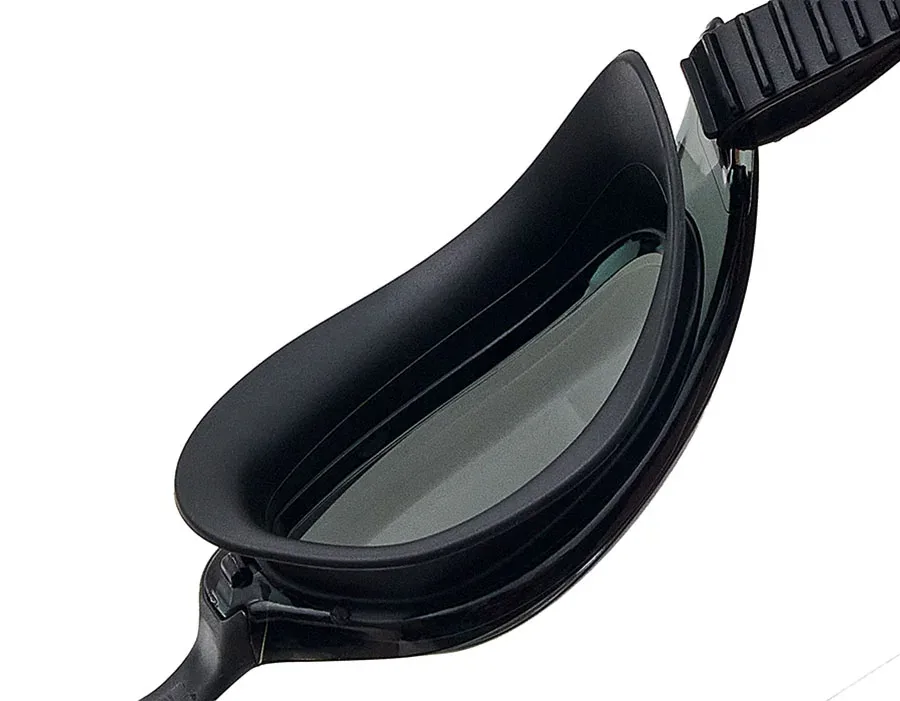
Technology
3D Sculpted Gaskets
Scan-shaped TPE gaskets for a secure, leak-free seal.
Learn More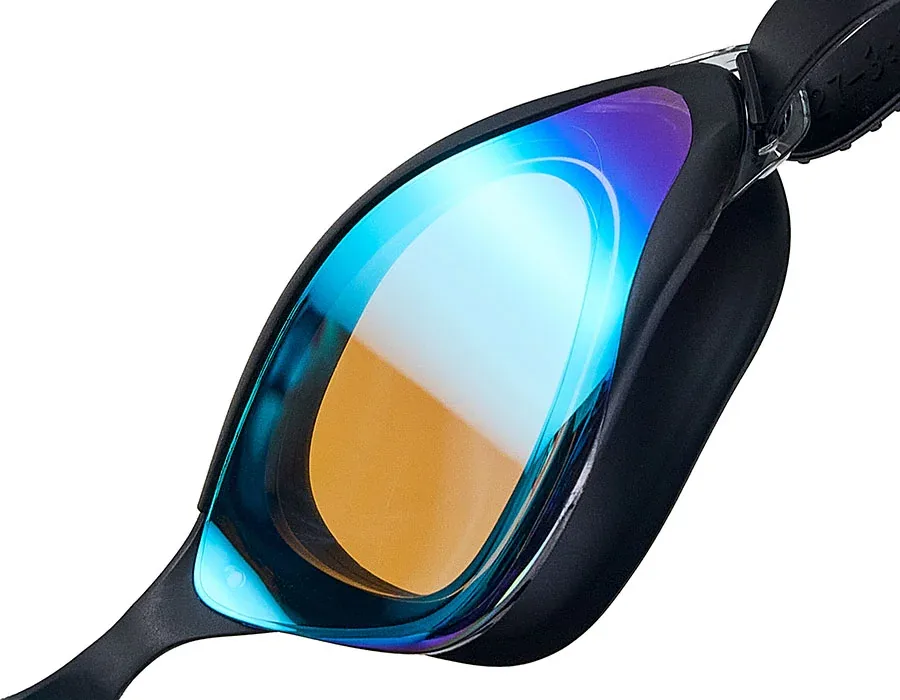
Technology
Wide Vision
Curved, distortion-free wide-vision lenses.
Learn More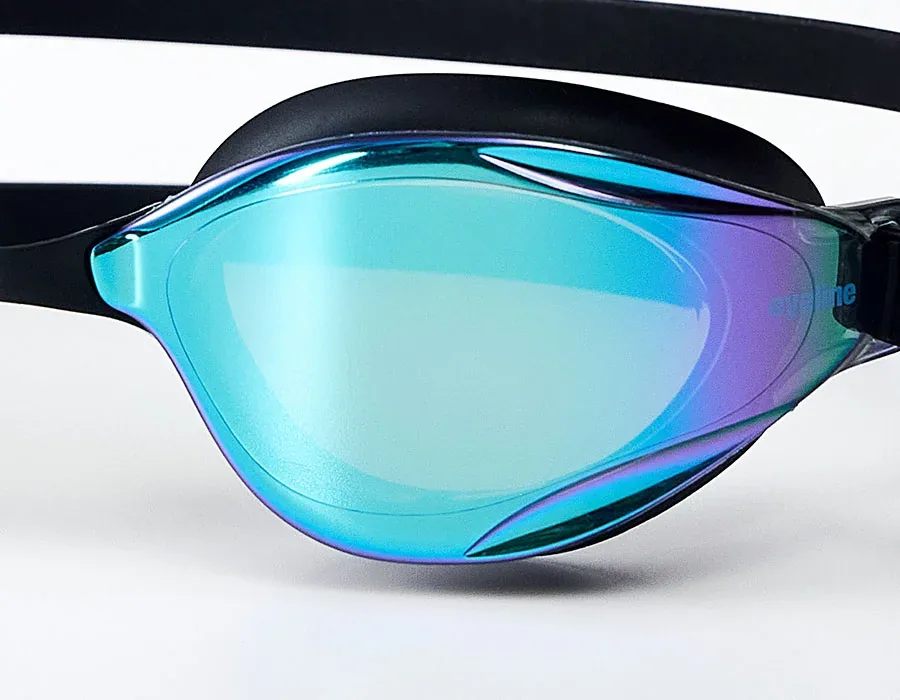
Technology
Mirror Coating
In-house PVD mirror coatings.
Learn MoreSourcing a swim goggle program?
We run OEM, ODM, and Private Label out of our own factory in Suzhou. Send the brief and the target volume and we’ll come back with a quote — or come walk the floor, virtually or in person.
Get in touch →