Last updated:
Taipei Design Center
Design and product engineering run from our Taipei Design Center; tooling, testing, and manufacturing happen in our Suzhou facility — one connected workflow from first sketch to packed pallet. Start from an existing platform (OEM) or commission an original design (ODM); the stages and controls are the same.
Every project starts under mutual NDA. We segregate IP between brand programs, and prototypes are destroyed on completion. Each of the five stages closes with a formal sign-off and gate review before the next one opens — changes get caught when they're cheap, not after tooling is cut.
The same model runs across private-label fitness swim goggles, performance racing lines, corrective-lens optics, and junior ranges. Browse the catalog to see what's already in production.
Concept & Design
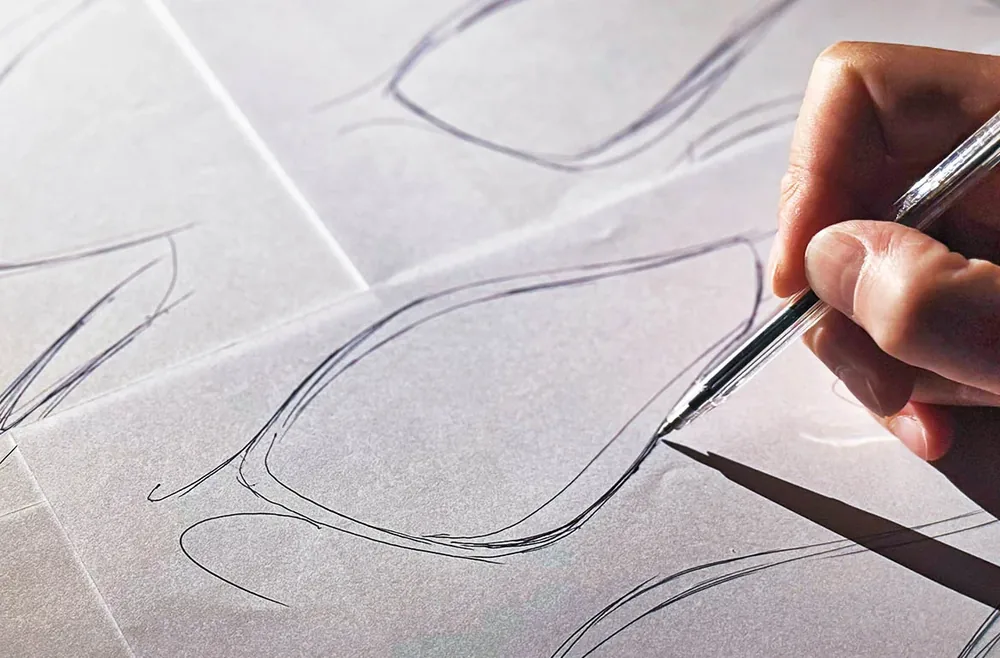
Every project starts with the brief. We agree the product's purpose, target swimmer, fit philosophy, and visual language alongside the commercial frame — positioning, price tier, where it'll get used (50 m pool, open water, kids' learn-to-swim, daily fitness). Our industrial designers work from the Taipei Design Center, running form-factor and styling studies across the categories we know — wide-vision, racing, corrective-lens, junior, training. The look and the function get decided together: hydrodynamics, comfort, and seal stability shape the lines from the first sketch.
Digital Design & Engineering
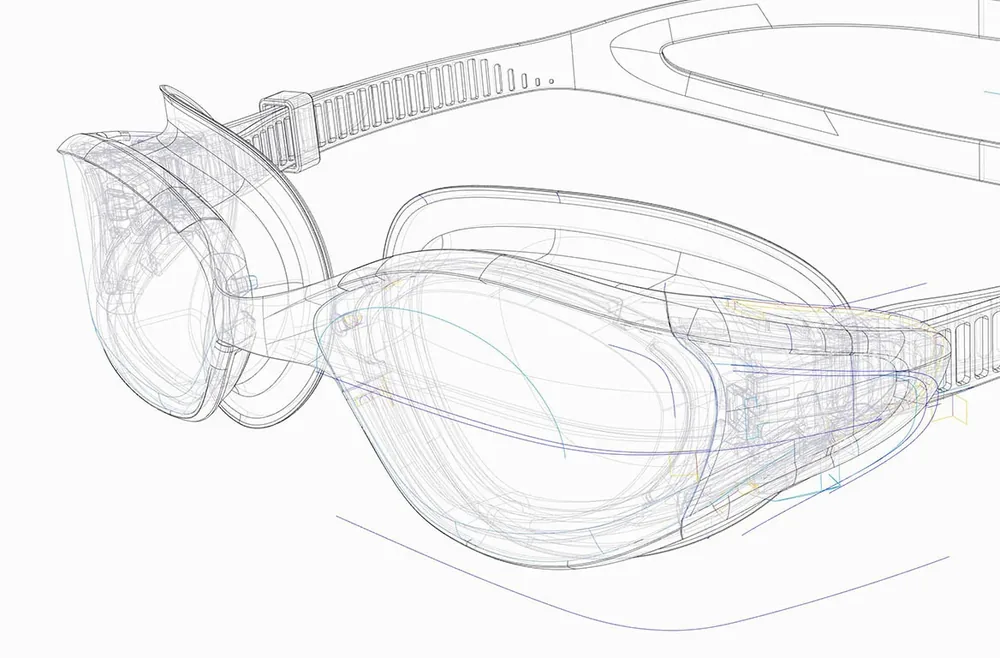
Approved concepts move into CAD. Design and engineering happen in the same room and the same model file, not in two siloed hand-offs — the payoff of a vertically integrated supplier. We model lens geometry, gasket structures, nose bridges, strap systems, and every interface between them. Ergonomics, pressure distribution, sealing behavior, and manufacturability all get tuned here, against the actual production constraints — gating, draft angles, cycle time, tolerance stack. Catching a problem in CAD costs nothing; catching it after the mold steel is cut costs five figures.
Prototyping & Validation
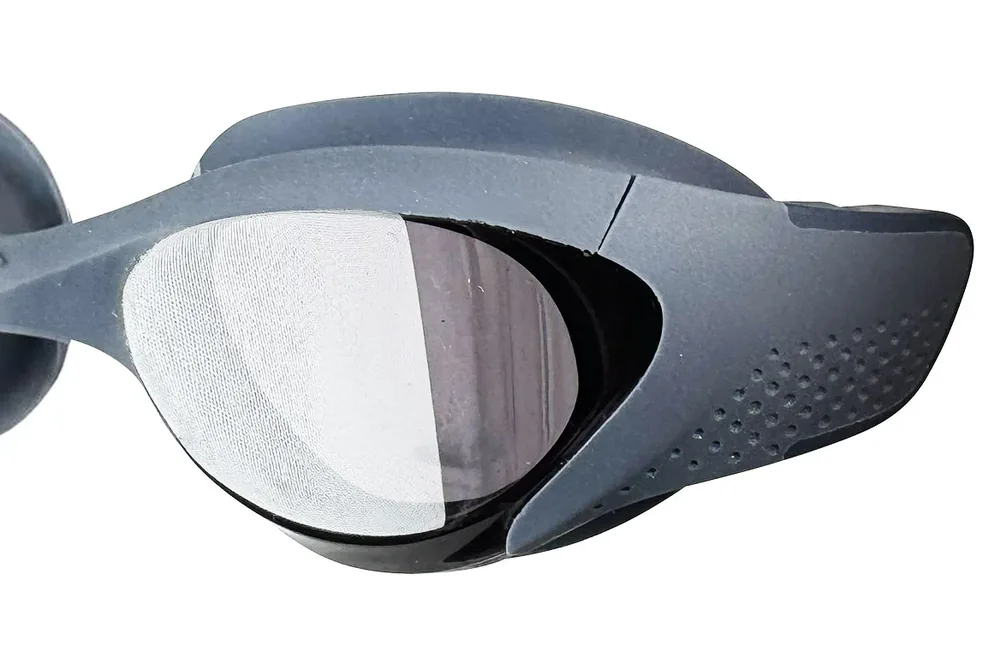
Physical prototypes are produced so digital designs can be validated in real-world conditions. Swimmers test them in water — fit, comfort, seal stability, how the lens reads in a turn. Then we iterate. Material durometer, flex, anti-fog coating life, and lens clarity get adjusted against the test results. The design has to meet its functional brief before any tooling steel is touched.
Read more about our lens, gasket, and anti-fog technology
Tooling & Production Preparation
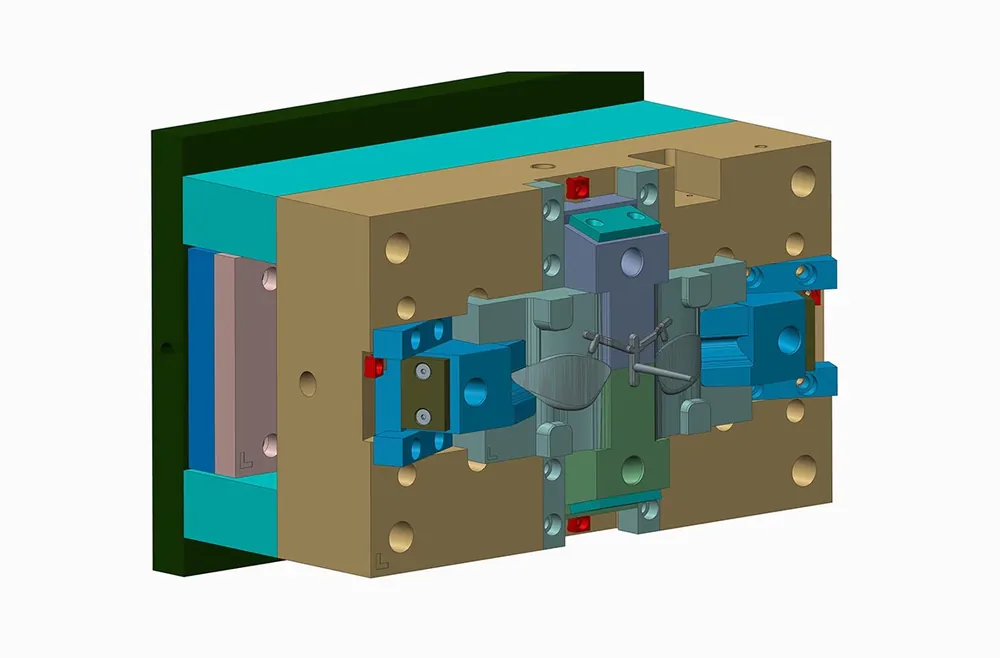
Validated designs move into tooling. We build the molds, jigs, and assembly fixtures in our Suzhou tool room and qualify them on the same floor that runs production — same engineers, same machines, no warehouse transit between the two. Gating, shrinkage, surface finish, and assembly tolerances get resolved before the first production batch, not after. We then define and run process windows — injection pressure, melt temperature, cooling time — until output is repeatable shot to shot. By the time a design leaves this stage, it's a manufacturable product, not a hopeful one.
Your tooling. Your IP. Documented in writing.
Ownership terms get agreed at project start — customer-owned or Eyeline-owned, both models work. See the FAQ for the specifics.
Scaled Manufacturing
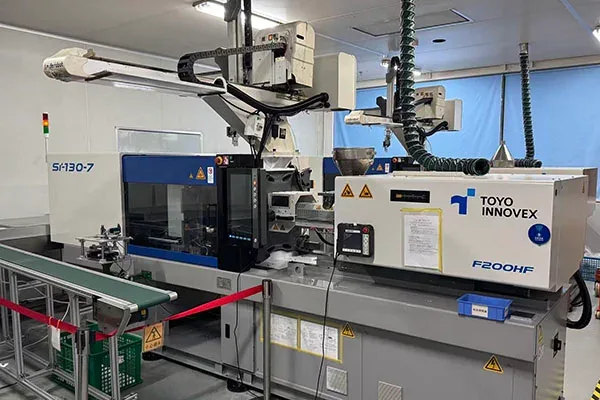
Approved products move into mass production. Every key process — injection, coating, assembly, inspection — runs inside our own walls, which is what lets us hold quality tight from a 5,000-pair launch order all the way up to six-figure annual programs. Component molding, sub-assembly, final assembly, inspection — every step has a documented control plan and an operator signed against it. Output stays stable shot to shot, batch to batch, year to year. That's what OEM and ODM partners actually need; "consistency" is the brochure word for it.
Frequently Asked Questions
How long does it take to develop a custom swim goggle from scratch?
Who owns the tooling once a custom swim goggle project is complete?
What's the minimum order quantity (MOQ) for a custom swim goggle design?
Do you sign NDAs at the start of a design project?
Can clients visit the factory for prototype review?
Related
About
Inside our swimming goggle factory
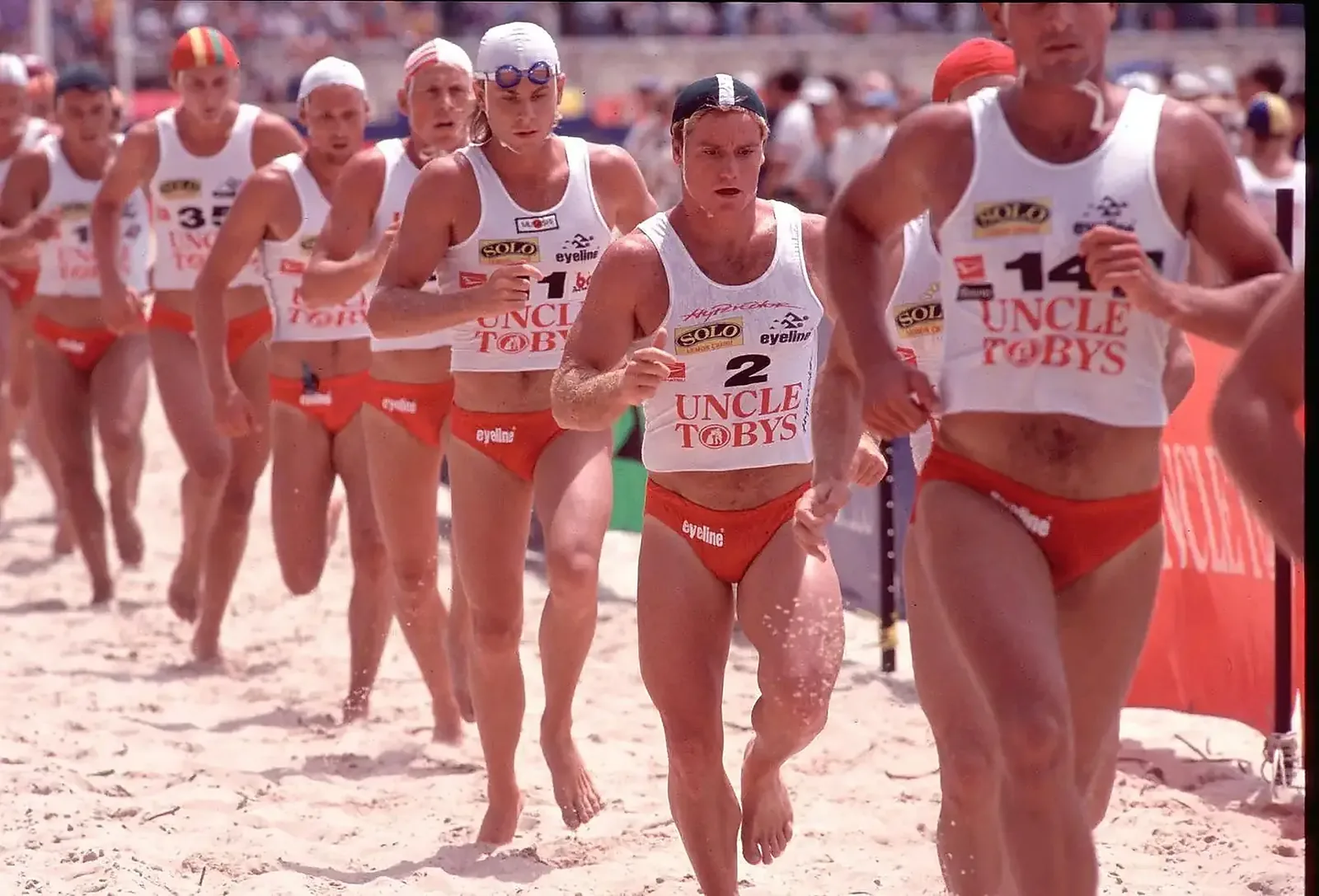
Six decades of heritage, from Melbourne 1963 to our Suzhou factory.
Learn More
Technology
Lens, gasket, and anti-fog technology
The materials and coatings behind every model.
Learn More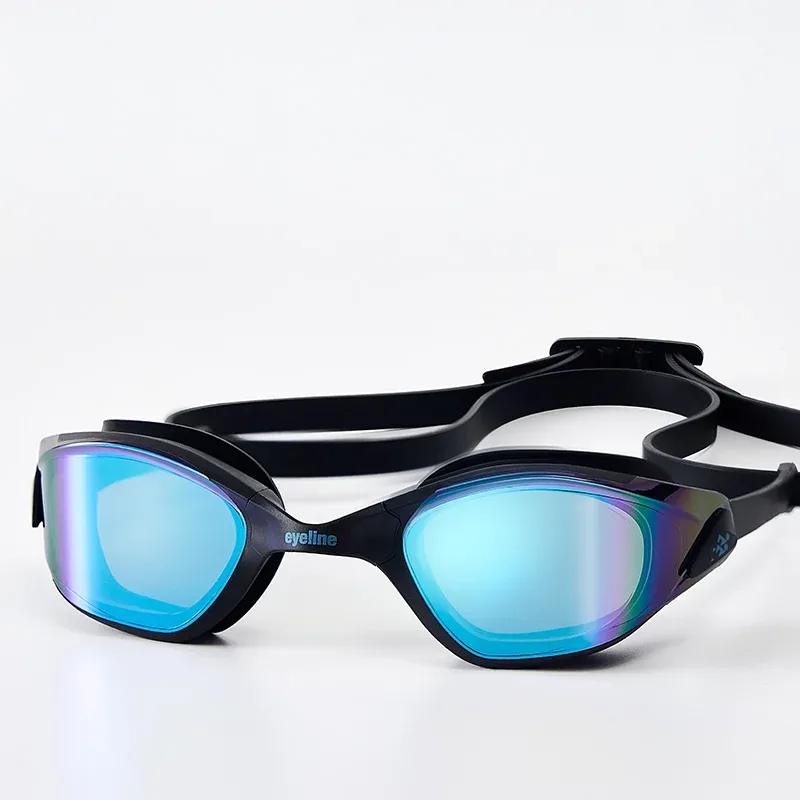
Compliance
Certifications and quality systems
ISO 9001, CE, FDA, ISO 18527-3.
Learn More
FAQ
Manufacturing FAQ
Lead times, MOQ, payment, IP, and more.
Learn More