OEM vs ODM vs Private Label — Three Ways to Source Swim Goggles, and How to Choose
OEM, ODM, and Private Label swim goggle programs cost differently, take different lead times, and suit different brands. Here's how to choose without overpaying for either. It maps each route to a real situation: testing a new category, running an in-house design team, having a clear vision but no engineering bench, or scaling a range that already sells. It also answers what procurement actually asks — what a DFM review catches, how much of an ODM brief the factory expects you to write, and where it's safe to economize on the mold.
OEM, ODM, and Private Label get used interchangeably. They shouldn’t be. Each one is a different working relationship: different cost structure, different lead times, different IP arrangement, different reason to pick it.
When a brand team uses the wrong term in a sourcing brief, the factory writes the quote against the wrong assumptions. The brand ends up paying ODM development fees for what should have been a Private Label program — or, worse, getting an off-the-shelf product when they’d actually budgeted for a fully custom design.
I’ve run Eyeline for the last decade — a swim goggle manufacturer founded in 1963 with a 38,000 m² site in Suzhou and a Taipei design center. We run all three models, depending on the brand. Here’s how they actually work, and how to pick the one that fits.
What each term actually means
Private Label
A Private Label program means the factory already has a finished product in production. Your run is still made to order — your units go through the line as your units, in your selected colors, with your logo applied — but the underlying product is one the factory already manufactures. You pick from a small palette of color or strap options. The mold, the gasket geometry, the lens shape — none of it changes.
Nothing sits on a shelf waiting for a brand to claim it. The product is built for you when you order; you’re just not paying to design it.
- What you bring: logo files, color preferences, packaging design.
- What the factory provides: everything else.
- Lead time: 60–90 days from PO, in our experience.
- MOQ: at Eyeline, Private Label programs start at 300 pcs per color.
- Best for: new brands testing a category, e-commerce-only ranges, capsule collections, gifting and promotional product.
OEM (Original Equipment Manufacturer)
In an OEM relationship, you bring the design and the factory builds to your spec. “Design” can mean anything from a complete CAD package and material spec sheet to a sketch with target dimensions — but the originating idea, and usually the intellectual property, is yours.
This is the model brands choose when they have an internal design team (or a contracted industrial designer) and want a product that doesn’t exist on the market.
- What you bring: spec sheets, CAD files (or sketches the factory’s engineers translate to CAD), brand guidelines, packaging.
- What the factory provides: product engineering, mold engineering, production engineering, tooling, manufacturing, quality control, certification documentation.
- Lead time: 5–10 months from concept lock to first production run, including tooling. 12–24 months if the project includes novel features the factory hasn’t built before — those programs run longer because the design needs repeated test-and-iterate cycles to reach a production-ready state.
- MOQ: typically 2,000+ pcs per color for a custom mold to begin amortizing the tooling cost.
- Best for: established brands with internal design capability, technical performance products with proprietary fit/feel, athlete-line collaborations.
ODM (Original Design Manufacturer)
ODM means the factory does the design work based on your brief. You give the factory a brief — target athlete, fit philosophy, price tier, brand positioning, packaging direction — and the factory’s industrial design and engineering team handles the rest.
This is the model that confuses brands most often. ODM does not mean “off-the-shelf with your logo” (that’s Private Label). It means a product designed for you by the factory’s design team.
The output is unique to your brand. The IP arrangement varies by factory — at Eyeline, ODM-designed molds are exclusive to the brand that commissioned them.
- What you bring: a clear brief, brand guidelines, packaging direction, target price tier, target volume, and the marketing context for the segment you’re entering — who the customer is, what they buy today, where this product sits against competing options.
- What the factory provides: industrial design, engineering, tooling, production, certification.
- Lead time: 6–13 months for standard programs; 13–24 months for novel features (new lens geometry, new gasket material, new optical tech), where extensive testing and iteration are needed before tooling is committed.
- MOQ: typically 2,000+ pcs per color, similar to OEM.
- Best for: brands without an internal design team, founder-led brands with strong vision but limited engineering bench, brands launching into a new category.
The cost comparison
A common assumption is that the three models scale linearly on price: Private Label cheap, OEM mid, ODM expensive. That’s not how the math works.
At a given production volume, per-pair manufacturing cost across the three models ends up broadly similar. What changes is the fixed cost — tooling and design fees — that gets amortized over the production run.
| Model | Per-unit cost (typical) | Tooling / setup fee | Effective break-even MOQ |
|---|---|---|---|
| Private Label | Lowest — factory’s own product, fully amortized tooling | None or nominal ($500–$2,000 setup) | 300+ pcs |
| OEM | Mid — your design, factory’s process | $15,000–$60,000 per mold (lens + frame + gasket combined) | 15,000–60,000 pcs to amortize tooling |
| ODM | Mid (similar to OEM) | $30,000–$80,000 per mold | 30,000–80,000 pcs to amortize tooling costs |
The figures above reflect the working ranges we use at Eyeline. Tooling cost varies with mold complexity, cavity count, and surface finish; design fees vary with how much of the brief is locked at the start. The structural pattern that matters: per-pair cost stops being the interesting question once volumes scale. The interesting question is whether the tooling investment ever pays back at the volume the brand is committing to.
A worked example: a brand commits to 5,000 pcs of an OEM swim goggle with $40,000 of tooling. The mold alone is $8 per pair before materials, labor, coating, packaging, or freight. Run the same $40,000 mold across 40,000 pcs and the per-pair tooling load drops to $1 — close to the break-even where OEM stops costing more than the Private Label alternative on a landed-cost basis.
Below the break-even, Private Label is usually cheaper on landed cost (no tooling line, slightly higher unit price on materials). Above the break-even, OEM or ODM start to win — the tooling cost is fixed, and every additional pair shrinks the per-pair burden until it disappears into rounding.
MOQ surcharge — the second cost variable
Layered on top of the tooling math is a second variable: the per-pair price itself moves with the size of each production run. At Eyeline, standard MOQ is 2,000 pcs per color per model at baseline pricing. Smaller runs carry a published surcharge against that baseline (full schedule on our FAQ):
| Order quantity (per color per model) | Surcharge multiplier |
|---|---|
| 2,000 pcs | ×1.00 (standard) |
| 1,200 pcs | ×1.04 |
| 600 pcs | ×1.09 |
| 300 pcs | ×1.15 |
The surcharge applies across all three sourcing models. Two related policies affect the planning math:
- Color tier shifts the MOQ floor. Catalog colors are available at every quantity tier. Eyeline’s standard Pantone palette is available from 2,000 pcs. New Pantone colors carry their own minimum of 15,000 pcs to justify the dye lot.
- Logo and packaging. Every order includes two logo prints as standard. Additional prints, custom packaging, and final assembly are quoted separately to the specific spec.
So the per-pair landed cost in any program is a function of three variables, not one: the per-pair manufacturing cost (model-dependent), the tooling amortized over committed volume (model-dependent), and the MOQ surcharge on per-pair price (volume-dependent). Each moves independently — which is why a headline “per-pair price” or “tooling cost” comparison between factories is misleading without the volume context attached.
Timeline reality
Lead times vary by project complexity, but the structural pattern is consistent:
| Stage | Private Label | OEM | ODM |
|---|---|---|---|
| Brief to first sample | 2–4 weeks | 4–8 weeks (prototype) | 8–12 weeks (prototype) |
| Sample to approved design | 1–2 weeks | 4–8 weeks (multiple iterations) | 4–16 weeks (multiple iterations) |
| Tooling | n/a | 8–12 weeks | 8–12 weeks |
| Pilot run | n/a | 3–4 weeks | 3–8 weeks |
| Mass production | 30–60 days | 30–60 days | 30–60 days |
| Total to first carton | 60–90 days | 5–10 months | 6–13 months |
If your launch date is locked, the model has to fit the timeline. A swim brand planning a Q3 retail launch needs to lock OEM specs by the previous Q3 to have product on shelves. ODM needs even more runway. Private Label is the only model that can support a sub-90-day launch from a cold start.
Who should use what
There’s no universally correct answer, but the decision usually falls into one of four patterns:
“We’re testing a category” → Private Label
A new brand entering swim with a single capsule range, an established brand testing whether their customer wants swim goggles, or a retailer launching an exclusive line for a specific channel. Volumes are unproven. Tooling investment isn’t justified yet. Lead time is short. Get product on shelves, learn what sells, then decide whether to invest in OEM.
“We have an internal design team” → OEM
The brand has industrial designers, product engineers, or a contracted design studio capable of producing a manufacturing-ready spec. They want full control over the geometry, fit, materials, and aesthetic. The factory’s role is execution, not creation. Most established performance swim brands sit here.
“We have a clear vision but not the bench” → ODM
The founder has a strong sense of what the brand is and who the customer is, but doesn’t have a CAD designer or product engineer. The factory’s design team becomes the brand’s de facto product team for this program. Common for technical lifestyle brands and athlete-led brands.
“We’re scaling an existing range” → mixed portfolio
Most established brands run a portfolio: Private Label entry-level products to keep retail price points competitive, OEM signature products that define the brand, ODM new categories where the brand is exploring without committing internal engineering bench. The right answer for a brand often involves all three running in parallel.
Common questions from procurement teams
A few questions come up on most incoming briefs:
What does a DFM review actually catch
The brand sends a CAD file, the factory quotes against it, tooling gets built — and the first sample reveals a draft angle that won’t release from the mold or a gasket profile that won’t seal. A short design-for-manufacturability (DFM) review at the spec stage prevents weeks of tooling rework downstream. The cost of skipping it is always higher than the cost of running it.
How much of an ODM brief does the factory expect us to write
ODM doesn’t mean the factory invents the brand for you. The brief still comes from your side: target athlete, fit philosophy, aesthetic direction, price tier, and the marketing context for the segment. A vague brief produces a generic product, and that’s a brand-side problem — the factory can only design against the input it gets. Most factories have a brief template; ask for it before starting.
Where does it make sense to economize on the mold
Honestly — almost nowhere. The mold determines what every swim goggle off it looks and seals like, not just the first run. A well-cut mold holds tolerances across more cycles, keeps the lens-surface finish consistent, and seats gaskets the same way in program ten as in program one. A cheap mold looks fine on day one and pays for itself many times over in scrap and rework by year two. Across a four-year program the amortized tooling cost is a rounding error against the quality delta. Treat tooling as the foundation of a multi-year product, not a line item to compress.
Does certification testing run in parallel with production
Partly. ISO 18527-3:2020, CE marking, GPSR documentation, SW grade classification — every region you sell into has its own requirements. Some testing can run alongside sample iteration; some can only be done on production-grade samples and gates the launch date. Build the certification path into the timeline at the spec stage, not after the spec is locked.
Conclusion
OEM, ODM, and Private Label aren’t price tiers. They’re three different working relationships. The one that fits your brand depends on what you’re bringing to the table (design capability, volume commitment, timeline) and what you need the factory to do (execute a spec, design from a brief, or just put your logo on something that already works).
If you don’t know which one fits, send a brief and a target volume to a factory that runs all three. A reputable factory will tell you which model the job actually needs — and if the answer is “you don’t need ODM, Private Label gets you 80% of what you want at a third of the cost,” that’s the answer to listen to.
Related
Buyer Guides
Types of Swim Goggles
Ten swim goggle categories — competition, hybrid, training, fitness, mask, corrective, junior,…
Learn More
Manufacturing
How Swimming Goggles Are Made
A walkthrough of how a high performance swim goggle is made
Learn More
Buyer Guides
Factory Audit Checklist
A seven-question audit checklist for sourcing a swim goggle manufacturer
Learn More
Product
Aqua
Training Medium
Learn More
Product
Vortex
Training Small
Learn More
Product
Blade
Hybrid
Learn More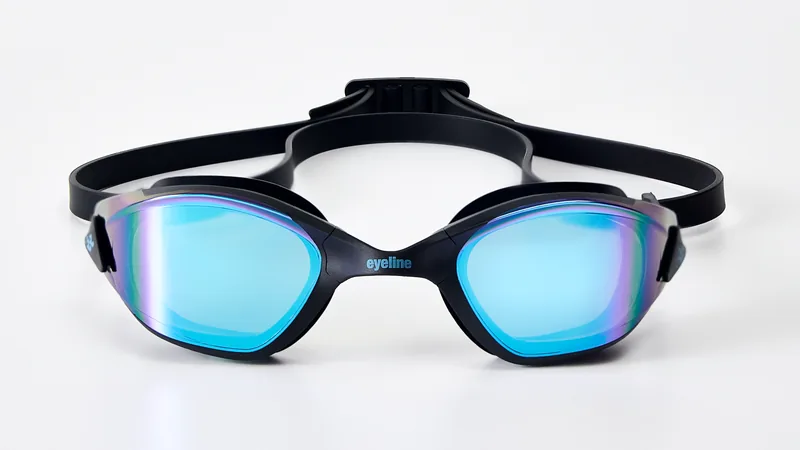
Product
Jetstream
Competition
Learn More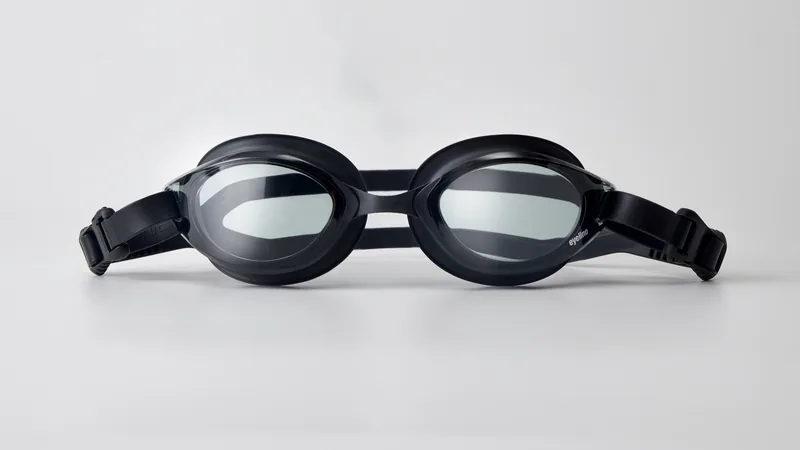
Product
Zevo
Fitness Large
Learn More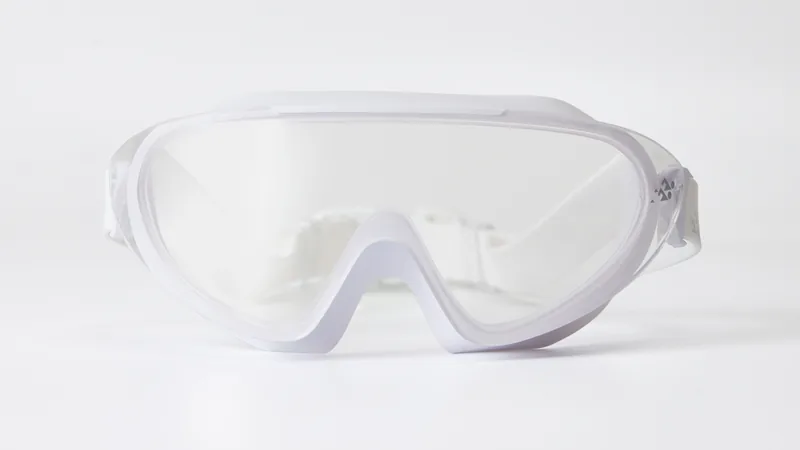
Product
Panora
Mask
Learn More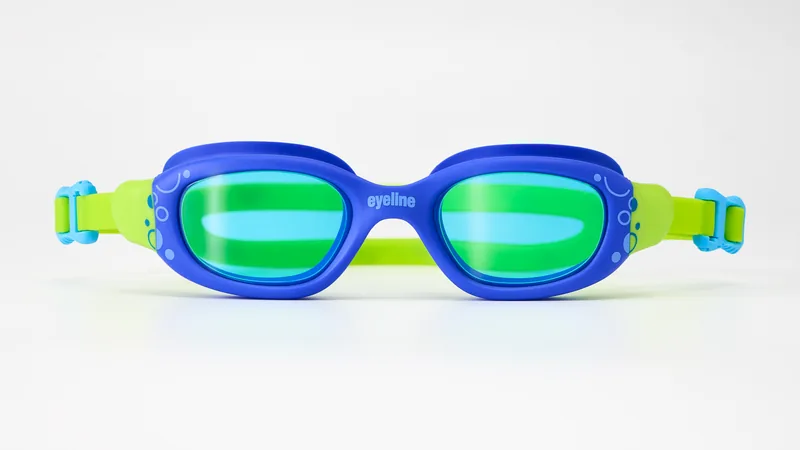
Product
Eve
Kids (2-8 Years)
Learn More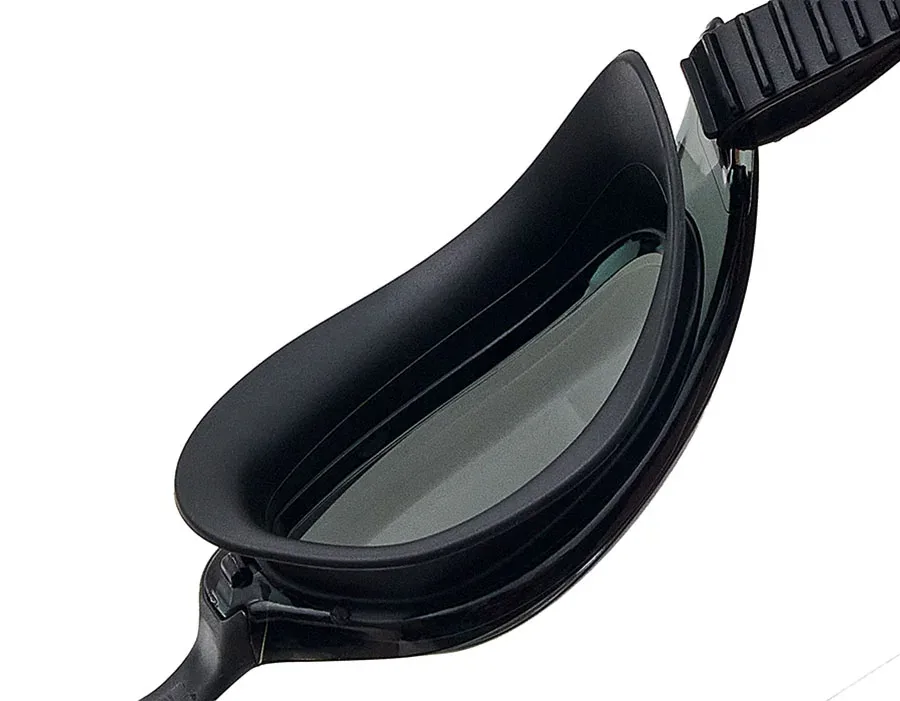
Technology
3D Sculpted Gaskets
Scan-shaped TPE gaskets for a secure, leak-free seal.
Learn More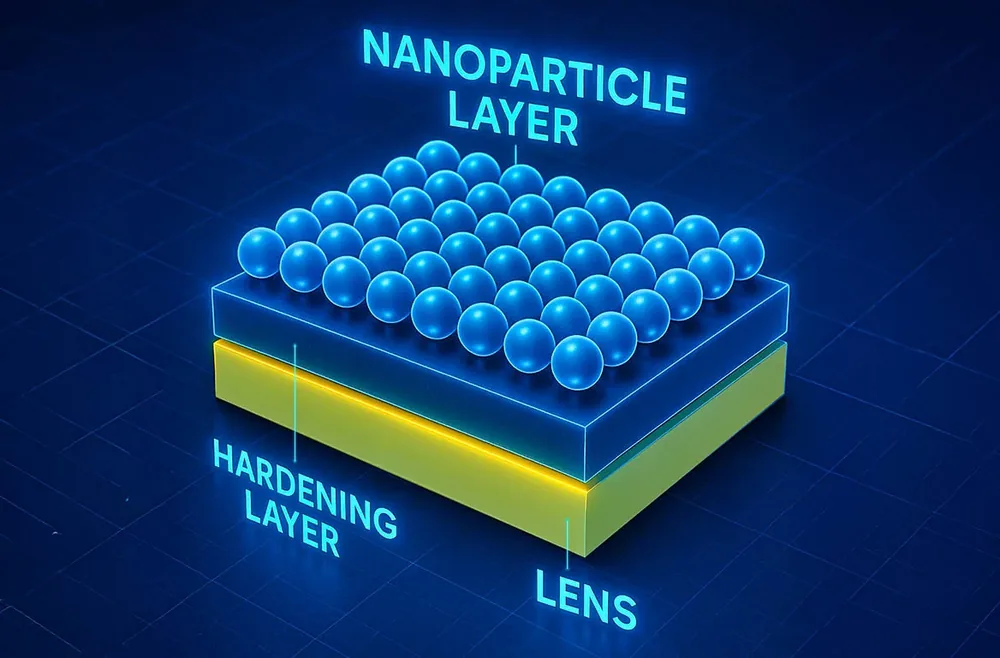
Technology
Anti-Fog
Long-lasting hydrophilic anti-fog coating.
Learn MoreSourcing a swim goggle program?
We run OEM, ODM, and Private Label out of our own factory in Suzhou. Send the brief and the target volume and we’ll come back with a quote — or come walk the floor, virtually or in person.
Get in touch →